Categories
Blog

Concluding Thoughts on Gender Equity in Uncertain Times: Challenges and Opportunities

by Ying Liu

Image of tiles that spell out step by step in-between two small rocks.

This Fall 2025 blog series brought together scholars and practitioners to explore what gender equity looks like in a period marked by political polarization and policy turbulence across a wide range of topics. Gender equity has gained increasing attention over the last several decades in public administration (Fantoni et al. 2025; Bishu and Heckler 2021; Shields and Elias 2022; Bearfield 2009; D’Agostino and Levine 2010), propelled by landmark policies and social movements that have brought gender inequalities into the public spotlight. For example, the passage of Title IX in 1972 laid an early legal foundation by prohibiting sex discrimination in education. The #MeToo movement in 2017 brought renewed attention to gender discrimination and workplace equality. More recently, the legalization of same-sex marriage and subsequent policy debates have made LGBTQ+ rights an increasingly visible and contested arena of gender equity. The overturning of Roe v. Wade further marked a dramatic shift in women’s reproductive rights. As federal policymaking has become increasingly volatile in recent years, the pursuit of gender equity has faced substantial challenges, particularly since the onset of the Trump administration.

Several authors assess federal policies and their structural implications for gender equity. Kathryn Hickey examines 140 laws enacted over the past decade that affect the LGBTQ+ community and demonstrates how these policies “other” and discriminate against transgender individuals. Marilyn Rubin and John Bartle focus on the tax system and reveal how federal funding cuts push state and local governments toward regressive fiscal policies that disproportionately harm women. Kayla Schwoerer explains how the Digital Equity Act has played a crucial role in addressing gender inequality in the digital realm. Rolling back efforts such as broadband expansion funding and digital literacy initiatives would reverse recent progress and deepen gendered inequities. Beth Rauhaus, Deborah Sibila, and Cameron Robin observe that “current abortion bans risk creating a new category of ‘criminals’,” echoing earlier periods when women’s bodies were subject to state control and reproductive healthcare was treated as part of the criminal justice system. In the agricultural sector, Aritree Samanta and Cevacien Adee document longstanding gender inequalities, including persistent representation-information gaps in USDA programs. They suggest that expanding gender representation in leadership roles is one way to improve outcomes for women farmers. Intersectionality also emerges as a central theme in the analysis of federal policies. Ming Xie illustrates this by showing how policy shifts such as the end of DACA and the reinstatement of the “public charge” rule disproportionately affect immigrant women.

While the current polarized climate presents significant challenges to gender equity, several scholars identify opportunities to advance progress. Heather Getha-Taylor draws on the example of civil rights leader Septima Poinsette Clark to show how strategic local action can help “overcome the shadows of adversity” created at the federal level, noting that “adversity can be a motivational force” for advancing gender equity. Dora Mendez reflects on her work with local government leaders and emphasizes the importance of adaptive and resilient leadership during crises, arguing that leaders should “operate with both pragmatic realism and unwavering commitment to equity.” Karen Sweeting examines the growing crisis of gender and identity erasure and argues that inequities will persist without recognizing marginalized identities. In a polarized climate where resisting erasure invites backlash, she suggests that intentional spaces for authenticity and visibility are essential. The series also includes reflections on the implications of this turbulent environment for public administration education. Michelle Evans, Nancy Lewis, and José Luis Irizarry argue that educators should adopt a “street-level pedagogy” to rethink how and what they teach in a polarized climate.

In the current state of gender equity, as we face “two steps back,”  the future calls for continued dialogue and sustained efforts by scholars, practitioners, educators, and community leaders. Our collective commitment will determine if and how we take the next “three steps forward” toward gender equity. 
◂Return to blog homepage


About the author:

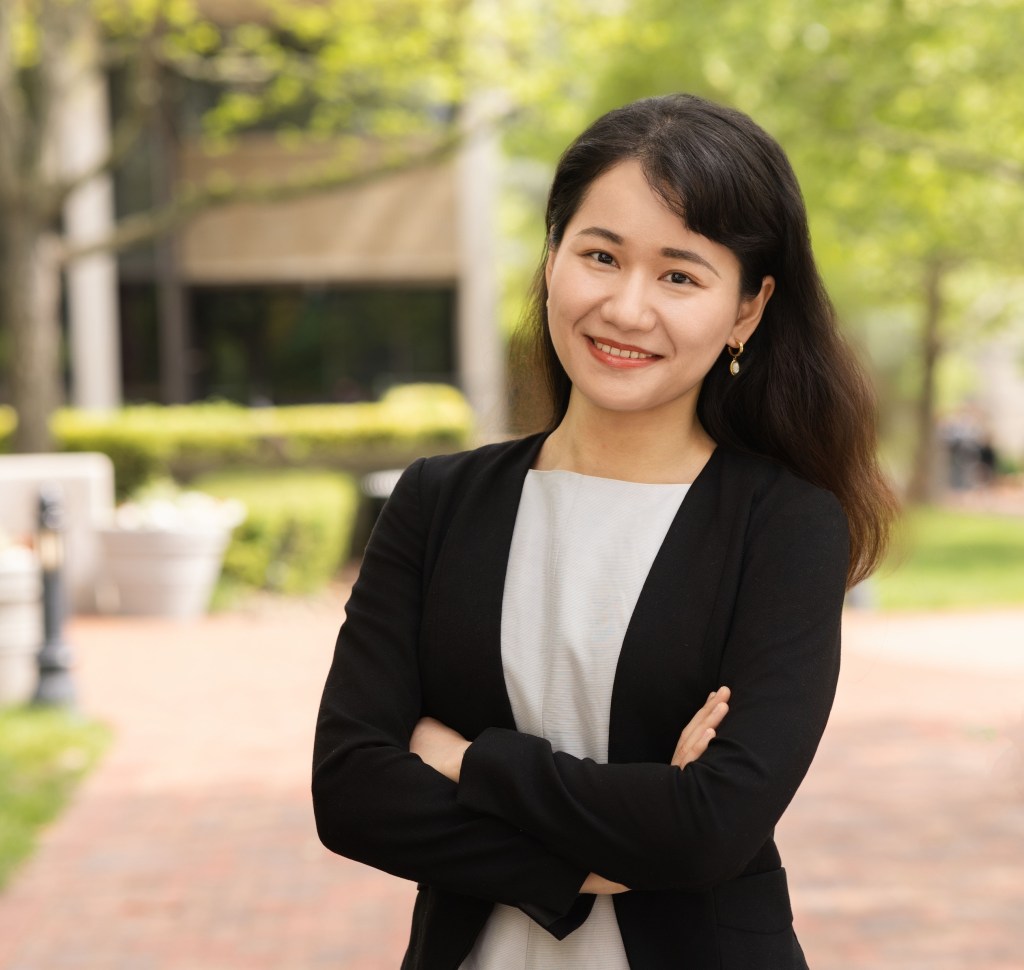
Ying Liu is a PhD candidate at the School of Public Affairs and Administration at Rutgers University–Newark. Her research interests include public and nonprofit management, social equity, local governance, digital government, and accountability.  Committed to mainstreaming gender issues in public and nonprofit administration, she is currently exploring topics such as women’s representation, gender-responsive budgeting, gender and technology, and women’s nonprofit organizations. Her work has been published in journals including Review of Public Personnel Administration, Policy Studies Journal, and The China Quarterly. She earned her Master of Public Administration from Wuhan University and Bachelor of Public Management from Huazhong University of Science and Technology.

Categories
Blog

Adapting Curriculum for a Changing World

by Michelle D. Evans, Nancy Lewis, & José Luis Irizarry

Image of a globe.

The IGEPS Blog Series examines shifts in policymaking across our decentralized republic, with emphasis on the intersection of state/local governments and the nonprofit sectors where most policy and implementation clashes are most visible and impactful.

In this blog, we focus on the implications of preparing future public and nonprofit leaders to navigate current and future policy shifts in an increasingly polarized environment. The concept we apply is that of public service faculty as street-level bureaucrats who are preparing future frontline street level bureaucrats (Lipsky, 1980) through the use of “street-level pedagogy” that utilizes critical reflection in course design and materials, encourages the incorporation of a broad spectrum of perspectives and lived experience, and attention to communication practices to encourage engagement (Irizarry et al., 2024). 

Street-level Educators Training Current and Future Street-level Administrators

A critical role of faculty in public administration and nonprofit programs is to prepare students to work in public service. Men make up approximately 53% of the general workforce (U.S. Bureau of Labor Statistics, 2025). Women make up 45.5% of the federal public service workforce (U.S. Equal Employment Opportunity Commission, 2021) and nearly 67% of the nonprofit workforce (Miller, 2024). In terms of education, in recent decades women represent the majority (53%) of college educated workers in the general workforce (Fry, 2025). Within public service higher education, women make up 59% of accredited public service masters students (Qiu, 2024), while nearly three-quarters of workers in the nonprofit sector have an associate degree or higher (Miller, 2024). 

With these statistics in mind, it is important to consider the challenges of educators on the frontline of professional development, training, and education. Public administration and nonprofit educators, through street-level pedagogy, attempt to prepare current and future public service leaders (Irizarry et al., 2024). Educators must address the specialized disciplinary knowledge and the holistic development of each student as they prepare to be productive leaders within the field. Pedagogical choices are informed by the professional norms and values of public service, where the daily reality can be emotionally intense when interacting with people in need and in times of crisis. It is imperative that public service education programs continue to emphasize social skills to prepare for working with the public as this is core to the public and nonprofit praxis which are front- and human-facing activities. 

Recent shifts in policies impacting the public workforce, in higher education in particular, require that educators reflect on and evaluate their ongoing pedagogical choices and how they align with the current (and anticipated) workforce realities. At the same time, self-reflection of street-level pedagogy should consider how changes in workforce realities might also shift public service norms and values within academic programs and praxis. 

Scanning the Horizon: Aligning and Adapting 

Gendered shifts in the workforce are not new. Historically, we have seen shifts in the workforce (e.g. industrialization, urbanization, WWII, Civil Rights Era, COVID-19) connected to gender and gendered social norms (Nobel Prize Committee, 2023; Schaeffer, 2024; Yellen, 2020). Similarly, we have seen shifts in student demographics, perhaps corresponding to the shifting workforce needs and demands. We’ve seen across the board downsizing efforts of the public sector workforce with similar trickle-down impacts on employment at the state and local levels, nonprofit sector, and related actors and industries due to uncertainty associated with recent federal policy shifts.  

These are not the only dramatic shifts we have seen nor anticipate. At this critical fork in the pedagogical road, this is an opportune time for reflexive examination of our public service values and praxis that must continue to be addressed within our curricula and educational programs moving forward. Therefore, we provide the following selection of critical and emerging issues that will need to be addressed in the gender equity policy landscape: 

  • Enrollment/recruitment of faculty and students—how do these need to be adjusted in the light of new rules and regulations to curb DEI initiatives and goals. This includes how to respond to new policy shifts on H1B visas and work authorizations. 
  • Educational reimagination – the “how” to teach:
    • learning modalities (online, hybrid, or face-to-face)
    • how/whether to accommodate student preferences in modalities, and increasing school/work/life-balance issues. 
    • incorporating social and interpersonal skill development within increasingly online and remote environments
  • Educational reimagination – the “what” to teach:
    • Academic freedom in course design/material vs increasing oversight by accrediting bodies, consumer watch groups, and legislative/executive policies 
  • Use of generative artificial intelligence (AI) tools:
    • how do we balance the misuse and potential over reliance of AI in ways that limit student creativity, critical thinking, and learning of the specialized disciplinary knowledge and skills. 
    • how do we prepare students to be part of a workforce whose reliance on AI tools may fundamentally alter how we think of public engagement.
    • how do we address the built-in gender and demographic equity issues arising from AI algorithms and programming 

It is essential that our curriculum reflects disciplinary core values, balancing the needs of efficiency, effectiveness, economy and equity. At the same time, we must also ensure that our curriculum is designed to effectively, and equitably, serve the needs of all students and future public sector leaders. In doing so, we ultimately are able to make positive change while serving the needs of the public, particularly those vulnerable populations most often in need of public services. How we address and/or resolve these debates are likely to transform the public service education landscape and by extension the policy and service delivery in the near and long-term future.

◂Return to blog homepage


About the author:

Michelle D. Evans is an associate professor at the University of Tennessee at Chattanooga.  Her research focuses on social equity, diversity/intersectionality and pedagogy. She is Co-Editor-in-Chief of the Journal of Social Equity and Public Administration and has served on the board of ASPA Section for Women in Public Administration. She spent more than 20 years as a nonprofit practitioner, working primarily with Special Olympics. 

About the author:

Nancy Lewis is a dedicated nonprofit professional and enjoys working with mission-driven organizations. She strives to strengthen community engagement and specializes in work with vulnerable populations. Nancy is currently completing her Master of Public Administration at the University of Tennessee at Chattanooga, where her studies focus on nonprofit management, governance, and policy.

About the author:

José Luis Irizarry, Ph.D (he/him) is an Assistant Professor of Public Administration & Director of the Graduate Nonprofit Management Certificate at North Carolina Central University. His research focuses on public and nonprofit values, pedagogy, social equity, mindfulness, and civic engagement. He is the Editor of Public Administration, Civic Engagement, and Spanish-Speaking Communities (October 2025), as well as lead Guest Co-Editor of the forthcoming special issue on foster care and adoption for the Journal of Nonprofit Education and Leadership

Categories
Blog

Unsettled Inside: Gendered Realities in a Divided Society

by Karen D. Sweeting

Image of a group of wooden block people serrated from another wooden block person.

The debilitating nature of our current reality has sparked immense anxiety on critical issues from women’s rights and immigrant rights to LGBTQ rights and identity. It seems that difference itself is now questioned as to whether it’s legitimate or even legal. “Uncertain times” is how our current reality is being framed – yet, does this “uncertainty” truly capture the depth of identity erasure that so many are struggling to make sense of in this “new” climate? 

When the federal government collapses gender into biological sex, or when state legislatures write gender identity out of law, they are not simply “clarifying” terminology. They are making a claim about reality: what kinds of identities can be recognized, and whose lives are legitimate. The current administration’s executive orders, alongside laws we see emerging in states such as Texas and Florida, that collapse gender into biological sex, are not administrative clarifications; they are acts of power. As Arendt, Foucault, and Jaspers remind us—acts by the state are never neutral. They function not only to shape what we can say, but also try to dictate who we should be, how we identify, and how we present ourselves. Laws that seek to fix gender as immutable not only seek to regulate bathrooms, sports, or documents; they foreclose alternative ways of being, constraining the possibilities through which we make sense of and engage the world around us.

We all see the world from different vantage points. That has always been true. But in the current climate—where identity, belonging, and sense of self are increasingly politicized—those differences are not only amplified, they are often weaponized. Structural inequities affecting women remain acute. From wage gap to reproductive rights, from parental leave to the politics of masculinity, gender debates today reveal not a single crisis but a web of interconnected tensions around gender politics. Academic research continues to show that our reality skews toward masculine norms. The invisible labor of emotional work (diversity-related service, mentorship, and student support) continues to disproportionately fall on women. This imbalance compounds workload inequities, since “invisible” labor is often not recognized as legitimate work. It also imposes norms on women that may slow promotion, restrict pathways to career advancement, and systematically limit access to leadership opportunities. Masculine norms, ingrained in our institutions, continue to reinforce systemic barriers that reproduce exclusion, even in spaces that claim a commitment to equity and inclusion. At their core, these tensions challenge us to confront how we distribute care and resources across a society.

Our realities are gendered because we are gendered. A profound truth has been illuminated in recent months: gender, race, and identity are not side notes in policy analysis and administrative action—they are the lens through which the consequences of governance are most acutely felt. A society that redistributes resources without recognizing marginalized identities will reproduce inequities and exclusion. 
Where does this leave us? Gains for trans people are not losses for cis people; equity for women is not a threat to men. What is threatened are outdated systems of power that thrive on binary thinking, rigid roles, and exclusion. Reflecting on this leaves me grappling with the question: How do we continue to create space to show up authentically in a polarized climate that is punitive for those who resist or push back against identity erasure? To do so requires both bravery and vulnerability, as the fear and cost of retaliation is real, and safe spaces for academic inquiry and critical thought are increasingly under threat. Yet forums such as this remain vital for sustaining these conversations. While many universities are complying with mandates to “clean” their sites, faculty profiles, and curb academic freedom of such issues, others persist in their advocacy, recognizing that the gaslighting at play is a slight of hand designed to make us question the legitimacy, and even the legality of advocating for equity and inclusion, and fostering spaces for critical thought and dialogue.

◂Return to blog homepage


About the author:

Karen D Sweeting iis an associate professor at the University of Rhode Island. Her research focuses on enhancing public service delivery for vulnerable, minoritized, and marginalized communities, with a strong emphasis on fostering a humanistic and justice-oriented approach to public service. With over two decades of professional experience in public service prior to transitioning to academia, Dr. Sweeting brings a deep, practice-informed perspective to her scholarship focusing on issues of equity, inclusion, identity, and ethics. 

Categories
Blog

Recent Federal Policy Changes: The Gendered Impacts on State and Local Government Taxes

by Marilyn Marks Rubin and John R. Bartle

Image of a stack of money.

In early 2024, the United Nations Development Programme (UNDP) held its first “Global Dialogue on Public Finance and Taxes for Gender Equality,” a conference to discuss how biases in government fiscal policies, especially taxes, impact gender equality and the empowerment of women.

Tax biases can be explicit, with specific regulations or provisions that treat men and women differently, or implicit, with provisions in the tax code having different gender impacts due to underlying and systemic social norms and economic roles. Looking at the U.S., nowhere in the federal tax code nor in state and local tax codes does it explicitly state that women and men should be treated differently. However, while the tax law language may be “gender blind,” taxes can have differential impacts on men and women due to their different social and economic characteristics, such as providing non-paid labor. For example, two-thirds of non-paid care in the U.S. is provided by women. When calculating their personal income tax liability, caregivers may not be able to deduct all expenses related to this care, thus increasing the amount of their income that is subject to the tax.

Implicit tax biases can occur across all forms of taxation, including taxes on income (e.g., personal income taxes), consumption (e.g., sales taxes), and wealth (e.g., property taxes). The ubiquity of biases in taxation brings us to the current topic on how state and local actors are navigating the gendered impacts of recent federal policy changes. By reducing federal funding and offloading federal obligations for providing health care and other services to state and local governments, the question arises as to how subnational governments are going to pay for their increased responsibilities.  

All but one state government (Vermont) and just about all local governments have a constitutional/charter or statutory balanced budget requirement, meaning that they cannot spend more money than what they take in through their own source revenues including user fees and taxes.  Moreover, most borrowing is restricted to capital expenditures for infrastructure projects such as roads and bridges and not for operating expenses such as those related to health care and social services. So, subnational governments are left with two options: not providing the services or raising taxes and/or user charges to pay for them.  The first option, not providing the services, would negatively impact the lives of many citizens (who are also voters) and seems to be (or should be) out of the question. So that leaves increasing taxes and/or user charges as the only option. We focus our remarks on taxes.

Tax systems of state and local governments are quite different from that of the federal government. While some taxes in the federal tax system are regressive, such as payroll taxes for Social Security and Medicare, even with the multitude of loopholes available to higher income taxpayers, the total federal tax system is somewhat progressive. This means that the burden is higher on higher-income earners than on lower-income earners. State and local tax systems are mostly regressive, meaning that they take a greater percentage of income from lower-income earners – predominantly women – than from higher-income earners. Women account for close to 70% of workers in the lowest-wage occupations that generally pay less than $10 per hour (National Women’s Law Center 2017).

Among the states, 27 impose progressive income taxes in which the tax rate increases as incomes rise; 14 impose flat rate taxes in which the same rate is applied to all incomes, thus taking a greater percentage of income from lower income workers (Tax Foundation 2025). In addition, almost 1/3 of tax revenues for the 50 states come from sales taxes (Tax Foundation 2025) that are regressive, disproportionately impacting lower-income households. In 2023, close to one-third of families in the U.S. with children living in poverty were headed by single women (National Women’s Law Center 2023).

Property taxes are the primary revenue source for local governments, accounting for close to half  of own-source tax collections in fiscal year 2022 (Tax Policy Center 2024). Property taxes are sometimes seen as being progressive due to the concentration of homeowners in higher income brackets. However, effective property tax rates are higher for lower-income people, a greater proportion of whom are women. 

In summary, state and local governments will either not fill the gap in services for their residents left by decreased federal funding, or will pay for the services by increasing taxes and/or user charges. These charges, like most state and local taxes, are regressive, taking a larger percentage of income from lower-income earners – primarily women – than from higher-income earners. The differential gender impact of recent federal policy changes needs to become part of the discussion of the impact of these changes on state and local government fiscal policies. 

Unfortunately, as a result of federal policy changes, the data that would underlie this discussion are becoming increasingly difficult to obtain. According to the Federation of American Scientists, many federal agencies are reducing data collection efforts due to “targeted, surgical removal of data sets, or elements of data sets, that are not aligned with the administration’s priorities.” This, too, has to become part of the discussion.

◂Return to blog homepage


About the author:

John R. Bartle is a Distinguished Professor of Public Administration and Dean Emeritus of the College of Public Affairs and Community Service at the University of Nebraska at Omaha. He is President of the American Society for Public Administration (ASPA). He was elected as a fellow of the National Academy of Public Administration in 2010 and currently serves as Treasurer. He received two major awards from ASPA sections: the Aaron Wildavsky Award for lifetime achievement in budgeting and financial management, and the Truitt-Felbinger Award for significant contributions to the field of transportation policy and administration. He has co-authored or edited four books: Innovative Infrastructure Finance: A Guide for State and Local Governments, Management Policies in Local Government Finance, Sustainable Development for Public Administration, and Evolving Theories of Public Budgeting. He has published over 70 articles and book chapters in both academic and practitioner outlets. He has worked with the Nebraska Legislature to provide policy advice for fifteen years. He worked in city and state government in Minnesota, and for state and national nonprofit research organizations on tax policy issues. His bachelor’s degree is from Swarthmore College, his MPA from the University of Texas, his Ph.D. from The Ohio State University and an honorary Doctorate of Humane Letters from the State University of New York. 

About the author:

Marilyn Marks Rubin is a Distinguished Research Fellow at the Rutgers-Newark School of Public Affairs and Administration and Professor Emerita at John Jay College of the City University of New York where she was Director of the MPA program for more than 25 years. Her primary areas of research are state and local public finance and gender budgeting. She has authored/edited several books and articles in a number of academic journals and is a Fellow in the National Academy of Public Administration (NAPA). Dr. Rubin holds a PhD from the Robert F. Wagner School of Public Service of New York University.

Categories
Blog

Land, Power, and Representation: Closing the Gender Gap in Agriculture

by Dr. Aritree Samanta and Cevacien Adee

Image of plants in the dirt.

Agriculture in the United States has long been deeply inequitable, shaped by structural bias and resulting in consequences for the many who sustain the nation’s economy via agriculture and food supply at home and abroad. According to the latest estimates, 43% of U.S. farmland is farmed or co-farmed by women, but they have continued facing gender-related barriers in decision-making roles on their farms and remain underrepresented in USDA program design and access (American Farmland Trust, 2025). The quest for gender equity in farming and agriculture has seen some positive strides in recent decades – driven largely by grassroots organizing by farming groups, empirical research on equity gaps, civil rights lawsuits, and policy advocacy by farming non-profits. For example, as recently as in 2017, the Census of Agriculture began allowing the listing of more than one producer per farm, making women’s decision-making roles more visible. Earlier policy changes included setting participation targets for farm ownership loans in 1987 and creating the “Socially  Disadvantaged Farmer or Rancher” category, which included women, in the 1990 Farm Bill, with set-asides for beginning and disadvantaged producers. More recently, $2 billion was paid to  43,000 farmers discriminated against in USDA lending prior to 2021. While these measures  advanced distributive and restorative justice, major gaps remain: women farmers, for example,  still face an information-representation gap in USDA programs (Samanta et al. 2021). The  information-representation gap in agriculture is the mismatch where USDA programs, outreach,  and networks are designed for male farmers, leaving women farmers and landowners  underrepresented, underserved, and excluded from access to information, resources, and  decision-making. 

Federal policy shifts don’t automatically translate into equitable outcomes for women farmers.  Cultural recognition of women’s central role in farming and the actions of grassroots governance entities, such as the county-level conservation districts, is critical. Our study of randomly  sampled 89 districts shows that while farmers are 64.15% men and 35.85% women (2022  Census), in 37 out of these 89 districts, 41.57% of district boards are all-male. Since these boards set priorities for local and federal conservation funding, equitable representation on these boards matters. Historic land ownership restrictions—largely limited to white men—still shape who can serve, with many states requiring candidates to be landowners, gather signatures from other landowners, or even be appointed through elite or exclusionary organizations. These board candidacy rules kept power and leadership in the hands of those tied to historic land ownership. 

Some states are designing measures for increasing representation on boards, such as appointing  non-voting additional associate board members to carry out district tasks. In California, two  years of service as an associate member makes non-landowners eligible for full board candidacy,  offering an alternative means of gaining influence. Still, most states set clear term lengths but allow unlimited reappointments (no term limits), with some members serving for decades and blocking opportunities for new landowners, women, and other marginalized farmers. As a result,  boards remain overwhelmingly white, male, and older while district staff who carry out the conservation work are typically younger, more diverse, and more often women. Pathways to increase representation—especially of women farmers—such as allowing districts to appoint associate board members and setting term limits, need to be replicated and adopted nationwide so that boards better serve the women who farm 43% of U.S. farmland, along with other marginalized groups. 

Ultimately, gender equity in farming will be shaped by the interplay of changes at both federal and local levels. Shifts at one level—whether advancing or opposing equity—cannot alone achieve gender equity in agricultural governance. This is a hopeful frame to consider, one that aligns with historical patterns of American Federalism, that even in times of uncertainty, where there is a reversal in equity-centered policies, rescinding of programs for socially disadvantaged farmers, and a general move away from equity and justice focus culturally, sub-national governments can serve as institutional counterweights in advancing equity. This is our motivation for calling attention to the conservation districts. 

◂Return to blog homepage


About the author:

Aritree Samanta, PhD is an Associate Professor in the School of the Environment at San  Francisco State University. In Spring 2025, she was a visiting professor at the Laboratory for  Interdisciplinary Evaluation of Public Policies (LIEPP) at Sciences Po, Paris, France. Previously,  she held the position of Postdoctoral Research Associate at the Department of Forestry and  Natural Resources at Purdue University. She holds a Ph.D. in Urban and Public Affairs from  Cleveland State University. Her research is in the areas of collaborative natural resource  governance, climate change adaptation, and equity and justice issues in climate change policy  and natural resource governance. Her research can be found in Administrative Theory & PraxisPublic Policy and Administration, Perspectives on Public Management and Governance, Society  & Natural Resources, Journal of Environmental Planning and Management, among others.

About the author:

Cevacien Adee BA, is a Master’s of Science Candidate in Geographic Information Science at  San Francisco State University. He holds a Bachelor of Arts degree in Applied Linguistics from the University of California, Santa Cruz, and an Associate of Science degree in Geographic  Information Systems from Diablo Valley College. Cevacien is a 2025-26 Climate Action Fellow, for which he is researching the spatial relationships between prescribed burning, fire risk, and social inequality in California. Cevacien’s research interests include environmental justice, fire resilience, California native plant ecology, and habitat stewardship.

Categories
Blog

Overcoming the Shadows of Adversity

by Heather Getha-Taylor

Image of a shadow on a wall.

The push for equal opportunity and nondiscrimination in the United States was driven by the goal of ensuring that women and minorities could access education and employment and thus participate more fully in the economy and democracy. By opening the doors of opportunity, the contributions of women and minorities would benefit individuals, families, and the broader community. These priorities were woven into federal laws and policies as tangible representations of the American dream, that is, a place where everyone has the chance to succeed. Yet, in 2025, these values are under threat at the federal level, and their erosion stands to unravel decades of progress for the marginalized. 

The march toward improved equity found traction with President Johnson’s Great Society initiatives of the 1960s. As a result of that administration’s historic nondiscrimination legislation and affirmative action programs, the public sector became an employer of choice for women and minorities. However, a 2025 National Women’s Law Center report indicated that recent federal government job cuts disproportionately affected women and people of color, especially in agencies where they are well represented (Housing and Urban Development, Health and Human Services, and Education, for example). 

Similarly, President Trump’s Executive Order 14173 rescinded Executive Order 11246, which established race- and sex-based affirmative action programs for federal contractors. These programs were designed to ensure that the principles of equal opportunity and nondiscrimination extended to agents of the state who received public funds. Ideally, affirmative action programs should be retired once they reach their intended goals. However, a 2023 report by the Center for Investigative Reporting found that the goal of a representative contractor workforce was more rhetoric than reality: most of the leadership ranks of the nation’s largest contractors were far from equitable. 

These examples signal a departure from the pursuit of representative bureaucracy at the federal level. They cast a shadow on the prospects of women and minorities in the public sector today. And they echo to a time when marginalization was widely accepted. However, this is not the first time that adversity clouded the goal of equality. As those who embrace the values of diversity and inclusion question what to do in this moment, an important lesson comes from the life of Septima Poinsette Clark. 

Born in 1898 in Charleston, South Carolina, Clark experienced a host of inequities, including racial discrimination, gender bias, and socioeconomic divides. But she believed in the power of individuals and the importance of local action to achieve social change. In 1954, Clark was working at Highlander Folk School when she envisioned the concept of “citizenship schools” for those who had been denied an education and thus denied the opportunity to vote due to the barrier of literacy tests. She knew that teaching people to read would equip and empower them to have a voice in their democracy. Only then could the scales of justice begin to tilt toward greater equity. 

Clark’s vision of change began in Tennessee with one class of fourteen students and a budget of $100. With time, her concept diffused across the South, reaching thousands through literacy classes and citizenship workshops. One of the most notable workshop participants was Rosa Parks, who would later start the Montgomery bus boycott which initiated the civil rights movement. As was the case then and is now, adversity can be a motivational force. It can spark a flame of imagination and action. Amid the shadows of adversity, one smoldering ember can light a sweeping fire. Clark’s example reminds us to think big and start local.

◂Return to blog homepage


About the author:

Heather Getha-Taylor is a Professor in the School of Public Affairs and Administration at the University of Kansas. Her work focuses on topics in public management, including human resource management, collaboration, and leadership.

Categories
Blog

Intersectional Challenges: Gender, Race, and Immigration amid Federal Policy Shifts

by Ming Xie

Image of three puzzle piece trying to fit together.

As federal policies shift unpredictably, the consequences are particularly acute at the intersection of gender, race, and immigration. Women of color, especially immigrants or those who are undocumented, face compounded vulnerabilities that necessitate targeted responses from local and state governments committed to gender equity.

The Impact of Policy Reversals on Marginalized Women and Immigrant Communities
Recent federal changes, such as the rollback of protections for immigrants and reproductive rights, have significantly affected these communities. For instance, efforts to end Deferred Action for Childhood Arrivals (DACA) have disrupted the lives of thousands of young immigrant women, many of whom manage their families’ healthcare needs. As they navigate the fear surrounding their immigration status, they also face barriers to accessing reproductive healthcare—an often overlooked aspect of gender equity.

In states like Texas, cuts to funding for reproductive health services disproportionately affect women of color, compounded further by federal restrictions on abortion access. These challenges entrench systemic inequalities and limit healthcare options for marginalized communities. Additionally, the reinstatement of the “public charge” rule has deterred many immigrant families from seeking crucial public benefits, exacerbating existing health disparities.

Federal efforts targeting the Affordable Care Act (ACA) have also reduced healthcare access for low-income women, particularly those reliant on Medicaid. Coupled with changes to asylum seeker protocols and the recent decline in refugee admissions, many women of color find themselves in precarious situations without necessary support. These obstacles are often further complicated by heightened immigration enforcement that creates an environment of fear, discouraging individuals from accessing essential services.

Local Responses: Adapting to Federal Changes
In response to these negative impacts, various state and local governments have enacted policies to promote healthcare access for marginalized communities. For example, New York City and Chicago have implemented initiatives ensuring that reproductive health services are available to all residents, regardless of immigration status. Similarly, San Francisco’s sanctuary policy protects undocumented immigrants while guaranteeing their access to reproductive healthcare through community clinic funding. The Reproductive Health Equity Program in Oregon exemplifies how state initiatives can effectively address intersectional vulnerabilities by eliminating out-of-pocket costs for essential reproductive services, ensuring that all women can access necessary care.

Community organizations also continue to advocate for the rights of immigrant women facing racial and gender discrimination. Following the U.S. withdrawal from Afghanistan in 2021, groups like the International Rescue Committee (IRC) and World Relief have launched initiatives to assist Afghan families resettling in the U.S. with legal aid, job training, and mental health services. In light of rising anti-Asian hate incidents during the COVID-19 pandemic, organizations like Asian Americans Advancing Justice (AAJC) have intensified efforts to combat discrimination and provide resources to immigrant women, particularly through legislative advocacy aimed at improving hate crime laws and empowering affected communities.

Additionally, efforts to support immigrant workers during labor strikes highlight the intersection of immigration status, race, and gender. The National Domestic Workers Alliance (NDWA) is at the forefront of advocating for domestic workers, pushing for better labor protections and resources to support fair treatment and wages. These initiatives underscore the need for intersectional approaches to address the challenges faced by immigrant women, emphasizing the importance of equity in policy discussions.

Federal policy shifts pose significant challenges to gender equity, particularly for women of color and immigrants. Local and state responses that embrace an intersectional approach are vital for mitigating these negative effects. By prioritizing the needs of the most vulnerable, subnational actors can help reshape the narrative around gender equity and promote more inclusive policies. Amplifying the voices of those directly affected remains crucial as we continue to engage with these pressing issues.

◂Return to blog homepage


About the author:

Ming Xie is a researcher specializing in disaster resilience, refugee studies, nonprofit management, and public health policy. Her work examines the impact of state and federal immigration policies on refugee resettlement, as well as the health and climate change-related risks faced by vulnerable communities. Using mixed-methods research, Ming explores community-based participatory approaches to disaster preparedness and resilience. She also investigates nonprofit practices related to activism and social movements, focusing on how organizations engage with and mobilize communities. Additionally, her research includes understanding the behavioral intentions of rural residents regarding wildfire preparedness and the influence of communication strategies on refugees’ health risk perceptions during climate-related disasters.

Categories
Blog

Mixed Messages: Exploring Women’s Reproductive Rights and Framing of Criminalization

by Beth M. Rauhaus, PhD, Deborah Sibila, PhD and Cameron Robin

Image of a pink stethoscope in the shape of a heart .

In June 2022, the overturning of Roe v. Wade ushered in a new era of states controlling decisions of women’s reproductive healthcare, which includes the highly debated issue of abortion rights and contraception. Governors, judges, legislators, healthcare providers, advocates, and interest groups have often provided mixed messages regarding a woman’s right to an abortion. 

The mixed messages at the center of the debate have focused on the criminalization of medical decisions, reproductive health care, and often times, pregnancy outcomes. Governors have taken to X, formerly known as Twitter, as well as other social media outlets to highlight state policy adoption, and in some cases, declare how their state legislation will criminalize the use of abortion drugs and protect women. While the height of the debate focuses on women’s reproductive rights, an underlying element of criminalization continues to frame the broader conversation. 

In November 2024, PBS released an article entitled “After Roe, pregnant women face increased risk of criminal prosecution,” reporting that within the first year after the Supreme Court ended the federal right to an abortion, 210 women faced charges for behavior related to pregnancy, abortion, pregnancy loss, or birth. The surge of women being viewed and framed as criminals is not new. 

In fact, during The War on Drugs, the incarceration rates of men and women increased; however, the rate of women incarcerated for drug crimes increased by 832% (Sibila & Yatsco 2019). Women seeking medical services to control their bodies were commonly labeled “deviant,” “disrespectable,” or even “criminal” under legal and cultural norms.

Current abortion bans risk creating a new category of “criminals”: women who seek abortions and those who help them, from friends and family members to healthcare providers.  This mirrors the 19th-century arrests of early activists like Margaret Sanger, who was jailed for providing birth control under the Comstock laws. Just as efforts to control women’s reproductive choices once criminalized access to contraception, today’s restrictions use criminal law to revive that legacy, turning private medical decisions into public affairs. 

These laws are not uniform across the United States. For instance, Texas’s S.B. 8 allows private citizens to sue anyone who “aids or abets” an abortion, creating civil liability for friends, family members, or providers who support a woman’s choice. Idaho and Tennessee have gone further by criminalizing adults who help minors travel across state lines for abortions without parental consent. Such measures broaden the reach of state power beyond patients themselves, targeting entire support networks and amplifying the risks of prosecution for those who assist. 

These restrictions also disproportionately harm poor women and women of color, who face greater barriers to healthcare access, fewer resources for out-of-state travel, and higher risks of criminal prosecution. Already more heavily policed and more likely to be reported by healthcare providers, these groups are especially vulnerable under laws that criminalize abortion. The bans also worsen existing health disparities—particularly maternal mortality rates among Black women (Centers for Disease Control and Prevention [CDC], 2022)—and deepen cycles of poverty by forcing women to carry unwanted or medically risky pregnancies without safe options.

Looking forward, these laws may have profound effects on both women and the criminal justice system. By expanding the definition of criminal behavior to include private medical decisions, abortion bans risk straining courts, law enforcement, and prisons with cases rooted in reproductive healthcare. Women—especially poor women and women of color—are the most likely to be investigated and prosecuted, reinforcing systemic inequalities and deepening mistrust in legal institutions. Healthcare providers, too, face the erosion of medical privacy and the threat of criminal liability, which may deter them from offering essential care. In this way, current abortion laws set a troubling precedent for broader state control over women’s bodies, embedding reproductive healthcare within the punitive reach of the criminal justice system.

◂Return to blog homepage


About the author:

Beth M. Rauhaus, Ph.D. is a Professor, the Moroux/BORSF Endowed Professor, and Department Head of Political Science at the University of Louisiana at Lafayette. Her research and teaching focuses on gender representation in public policy and administration. Her work has appeared in academic journals such as Administrative Theory & Praxis, American Review of Public Administration, Public Administration Review, Journal of Public Affairs Education and Journal of Public and Nonprofit Affairs.

About the author:

Deborah A. Sibila, Ph.D. is an Associate Professor of Criminal Justice in the Department of Social Sciences at Texas A&M University, Corpus Christi. Her teaching and research interests include policing, drug policy, and immigrant and gender offending/victimization. She is currently a member of the Institute for Predictive Analytics in Criminal Justice and serves as the Title IX advisor and Faculty Ombuds at the university.

About the author:

Cameron Robin is an undergraduate student at the University of Louisiana at Lafayette pursuing a BA in Political Science. He is a student worker for the Department of Political Science, a member of the Alpha Lambda Delta chapter of Pi Sigma Alpha, an inaugural mentor for the College of Liberal Arts Peer Mentorship program, and a member of the College of Liberal Arts’ Dean’s Student Advisory Council.

Categories
Blog

From ‘Safety Net’ to No ‘Net’: What Ending the Digital Equity Act Means for the Gender Digital Divide

by Kayla Schwoerer

Image of a safety net.

Since its adoption in 2021, the Digital Equity Act has been poised to unlock billions in economic potential by connecting 24 million disconnected Americans to job opportunities, healthcare, and educational resources. As Americans increasingly rely on digital services for everything from Social Security applications to prescription refills, the Digital Equity Act served as a critical safety net, ensuring that a lack of internet access or digital skills wouldn’t leave anyone stranded. At the same time, the Digital Equity Act represented something rare in today’s political climate: a genuinely bipartisan solution. Together, Republicans and Democrats rallied behind it, recognizing that digital literacy and internet access aren’t “partisan issues” but fundamental necessities not only for equity but also for American competitiveness in the 21st century.

That is, until Trump suddenly ended it.

On May 8, 2025, in a Truth Social post, Trump called the $2.5 billion program “unconstitutional,” “racist,” and “illegal” as he announced his decision to immediately end the “woke” initiative. By May 9th, the Trump Administration had begun terminating Digital Equity Act Capacity Grant funds, forcing states to abruptly cancel millions in planned broadband expansion and digital literacy initiatives.  

The Act provided funding for three core grant programs: the State Digital Equity Planning Grant Program, which helped states, territories, and Tribal entities develop comprehensive digital equity plans; the State Digital Equity Capacity Grant Program, which funded the implementation of those plans in efforts to promote internet adoption, digital skills, and access to devices; and the Digital Equity Competitive Grant Program, an initiative aimed at non-state entities like nonprofits to support broader digital equity efforts.

The implications extend far beyond the program’s $2.75 billion budget, though. The stakes of this policy reversal become clearer when examining how digital literacy and skills training intersect with gender equity. From targeted skills training in male-dominated tech sectors to vital online safety initiatives combating gender-based digital abuse, the Act provided crucial resources to tackle the multi-faceted barriers that keep women and girls on the wrong side of the digital divide. Local governments and communities across the country are now scrambling to fill a void that cannot easily be filled, with many being forced to suspend or drastically reduce digital skills training programs that provided critical support for women and girls.

Still, the most serious impacts are likely to come from stalled broadband expansion. More than one-fifth of Americans lack broadband internet access at home, with rural communities facing even higher rates (27%). Broadband initiatives targeted underserved groups and those who have historically experienced lower rates of computer and internet use (see Census.gov and NTIA data) to ensure equitable access to high-speed internet. The termination of these programs will negatively impact rural areas where broadband connectivity remains limited and leave vulnerable populations such as veterans, seniors, people with disabilities, and low-income families without access to a stable internet connection. Likewise, without these programs, many vulnerable citizens will be without access to technological devices or technical support, which have become essential for participating in modern economic and social life. 

Given the links between broadband expansion and gender equity, the terminations strike at the heart of efforts to close persistent gender gaps in digital participation that have long hindered women’s economic advancement and social empowerment (NTIA). Research spanning nearly two decades reveals that internet access particularly benefits women, and minority women in particular, by boosting entrepreneurship rates, employment opportunities, and earnings while helping to mitigate the effects of gender and racial bias in traditional labor markets (see: Broadband Commission 2017; Jamison and Wang 2023). During economic crises, especially, these effects offer protection for women in the labor market by providing alternative pathways to financial stability through digital platforms and remote work opportunities. 

Ultimately, the elimination of the Digital Equity Act has widespread implications for gender equity in an increasingly digital world. Without federal support to sustain targeted interventions, communities risk not only stalling progress in this area, but also potentially backsliding in women’s digital participation and the economic, educational, and health outcomes that flow from digital access. As local officials continue to scramble to replace the lost federal investments with no clear way forward, the loss of the Digital Equity Act threatens to undo years of careful work toward ensuring that the United States’ digital future includes everyone, regardless of gender. 

◂Return to blog homepage


About the author:

Dr. Kayla Schwoerer is an Assistant Professor of Public Administration in the Department of Political Science and Public Administration at Vrije Universiteit (VU) Amsterdam. She is also an Associate Research Professor at Rockefeller College of Public Affairs and Policy at the University at Albany, State University of New York (SUNY). Her research focuses on understanding and improving the ways that public and nonprofit organizations use data and evidence, design thinking, and digital technologies to solve problems and engage diverse communities.

Categories
Blog

True Gender Equity Requires More than a Binary Approach

by Kathryn Hickey

Image of different routes to take.

The past three years have been marked by a monumental number of anti-LGBTQ+ legislation at the state level. In 2023, 66 proposed policy changes were enacted into state laws, indicating a distinct shift from previous years. This attack on the queer community continued with 661 new anti-LGBTQ+ bills being proposed in 2024 and 604 bills already being considered in 2025. Whereas this legislation affects everyone in the queer community, over half of the laws enacted have directly impacted transgender and gender-nonconforming individuals by restricting health care, constraining identity expression, and forcing people into spaces that do not match their lived gender. While these discriminatory policies are often framed as safeguarding fairness or protecting children, the reality is that these laws aim to paint the gender-diverse community as the enemy, widening existing gender inequalities. 

I analyzed 140 laws passed between 2015 and 2024 related to the LGBTQ+ community. Through this analysis, it became clear that the language embedded in these laws serves to other and discriminate against transgender individuals. For example, 65% of the laws enacted use outdated definitions of gender. By rigidly defining sex as a “biological reality” based on chromosomes, hormones, or reproductive capacity, lawmakers erase the existence of transgender, nonbinary, and intersex individuals altogether. This binary framework not only invalidates identities but also positions transgender people as “false” or “disordered.” Such rhetorical othering mirrors historic patterns where marginalized groups are cast as threats or pathologies to justify additional exclusionary policy.

One such type of policy involves restricting public restrooms. Fifteen states as of 2024 had “Safety in Private Spaces” laws that force transgender individuals to use facilities inconsistent with their gender presentation, exposing them to harassment and assault. The tragic case of Nex Benedict, a nonbinary student assaulted in an Oklahoma school bathroom, is a solemn reminder of the deadly consequences these policies can have. Not only are these laws harming transgender individuals, but they can also pose problems to very women they claim to protect. Several incidents of harassment have been reported since the enactment of these laws from cisgender women who do not conform to rigid gender presentation norms, revealing how such measures destabilize equity for everyone.

Recent laws requiring school sports teams to be based on a child’s assigned sex at birth also claim to be in the name of gender equality, but by promoting fairness for women, the laws further inequalities for gender diverse students. At least 24 states have “Fairness in Women’s Sports” laws that argue girls would be denied athletic opportunities and scholarships if transgender individuals are permitted to play on a team that matches their gender identity. By promoting an antiquated idea of gender equality in sports, these laws demonstrate how the concept of fairness can be applied to some and denied to others. 

Similarly, bans on gender-affirming care intensify inequities in health outcomes. As of late 2024, 25 states had banned this care for minors, despite overwhelming evidence of its benefits. In fact, the U.S. Trans Survey found that 98% of transgender individuals using hormone therapies reported higher life satisfaction. By criminalizing providers and even threatening parents with loss of custody, these laws weaponize the state against families seeking affirming care. In Florida, SB254 allows the state to seize custody of a child who receives gender-affirming treatment, while in Arkansas, transgender parents risk sex crime charges that would require the state to remove custody rights for simply using a bathroom that aligns with their identity. Such provisions amplify stigma and fear, cutting off essential care and increasing risks of depression, suicidality, and homelessness.

Far from fostering equity, these dynamics reinforce structural inequality, leaving transgender individuals marginalized, criminalized, and excluded from the very institutions meant to protect them. In our mission to create a society with true gender equality, we cannot forget that gender is more than just a binary system. Becoming complacent in the discrimination and rejection of transgender and gender-diverse individuals will only lead to a more inequitable world. 

◂Return to blog homepage


About the author:

Kathryn Hickey (she/her) is a doctoral candidate in Public Administration at the University of Central Florida. Her dissertation research examines the effects of anti-LGBTQ+ legislation on queer individuals through the lens of administrative evil. Specifically, she analyzes how these laws shape mental health outcomes within the LGBTQ+ community and contribute to increased rates of homelessness among transgender youth. Her broader research agenda bridges public policy, social equity, and critical public administration, with a focus on how legislation targeting marginalized groups undermines well-being and inclusion. In addition to her dissertation, she engages in both qualitative and quantitative research that highlights the role of public administration in perpetuating or dismantling systemic inequities.

Categories
Blog

Coaching Through Crisis: Building Resilient Leadership for Gender Equity in Local Government

by Dora Mendez, Founder & CEO of Coach Dora LLC:

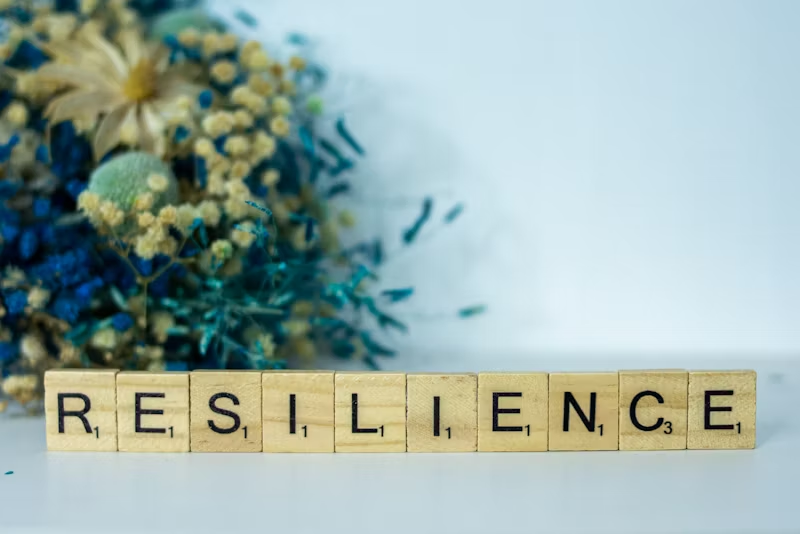
Image of the word resilience in wooden blocks.

When federal policies shift like tectonic plates, the tremors are felt most acutely in city halls, county offices, and state agencies where public servants face the daily reality of implementing change while serving their communities. As an executive coach working with public sector leaders, I’ve witnessed firsthand how these policy upheavals create both profound challenges and unexpected opportunities for advancing gender equity at the local level. 

The Human Side of Policy Implementation
The abstract language of federal mandates becomes intensely personal when a county health director must decide how to maintain reproductive health services despite funding cuts, or when a school superintendent navigates new regulations affecting transgender students while protecting their wellbeing. These leaders aren’t just implementing policy—they’re making moral choices that ripple through families and communities. 

In my coaching practice, I’ve observed that the most effective local leaders during times of federal uncertainty share several key characteristics. They develop what I call “adaptive equity intelligence”—the ability to read the political landscape while remaining anchored in their values. They build coalitions across traditional boundaries, ending unlikely allies in pursuit of shared goals. Most importantly, they cultivate resilience not just for themselves, but for their teams and the communities they serve.

Strategies for Equity-Centered Leadership
Local government leaders are increasingly employing innovative approaches to maintain gender equity progress despite federal headwinds. Some are leveraging existing statutory authority in creative ways—like using general welfare provisions to fund childcare programs when federal dollars disappear. Others are building what I term “equity insurance” by diversifying funding sources and creating redundant systems of support.

The most successful leaders I work with understand that gender equity isn’t a separate initiative to be managed alongside “real” governance—it’s a lens through which decisions must be evaluated. This aligns with research showing that public policies may have a major impact on gender equality and attaining equal access to opportunities, resources, and rights for women, men, and other gender identities. They ask different questions: How does this budget cut affect single mothers differently than married couples? What barriers might transgender residents face in accessing this service? How can we ensure that immigrant women feel safe engaging with our programs?

The Coaching Imperative
Perhaps most critically, these leaders recognize that sustaining gender equity work requires intentional leadership development. They invest in coaching and professional development for themselves and their teams, understanding that the emotional labor of this work can lead to burnout without proper support systems. 

The leaders who thrive in this environment have learned to hold complexity—to acknowledge the genuine constraints, they face while refusing to accept inequity as inevitable. They view federal policy shifts not as insurmountable obstacles but as problems to be solved creatively, often in partnership with community organizations, nonprofits, and advocacy groups.

Looking Forward 
As we navigate continued federal uncertainty, local governments need leaders who can operate with both pragmatic realism and unwavering commitment to equity. This requires new models of leadership development that prepare public servants not just to manage programs, but to advance justice in environments that may not always support that work. Research on local governance demonstrates that “the implementation of gender equality commitments at the local level requires a concerted effort by national and local governments, civil society, development partners and donor agencies.”  

The question isn’t whether federal policy will continue to shift—it will. The question is whether we’re developing the kind of adaptive, equity-centered leaders who can turn those shifts into opportunities for progress rather than excuses for retreat. In my experience, when we invest in developing these leaders, communities don’t just survive policy upheavals—they emerge stronger and more equitable than before. 

Dora Mendez, MPA (she/ella) is a Fractional Chief Human Resources Officer specializing in leadership development coaching. Learn more at www.coachdoramendez.com 

References: 

UN Women. “Local Governance.” Financing For Gender Equality. 
https://gender-inancing.unwomen.org/en/areas-of-work/local-governance

SpringerLink. “Public Policies on Gender Equality.” In Public Policy and Gender Equality, 2022. https://link.springer.com/chapter/10.1007/978-3-031-14360-1_12

◂Return to blog homepage


Dora Mendez, MPA
About the author:

Dora Mendez, MPA (she/her/ella), is the Founder and CEO of Coach Dora LLC and a distinguished C-Suite Executive with over 12 years of experience in human resources. She is a passionate advocate for diversity, equity, and inclusion (DEI),a beacon of bold authenticity using her writing and public speaking to ignite meaningful conversations. Through her coaching and consulting services, she strives to create a world where individuals feel empowered to lead with both courage and compassion. 

Her leadership experience includes serving as a Fractional Chief Human Resources Oficer (CHRO), Vice President of HR & Chief DEI Oficer, and Director of HR and People & Culture roles in mission-driven nonproit organizations. Prior to these roles, she worked in public service, investigating hundreds of discrimination complaints. 

Mendez earned her Master’s in Public Administration (MPA) from the City University of New York-John Jay College of Criminal Justice. Since graduating, she has dedicated over 14 years to teaching at John Jay as an Adjunct Professor. She is also a contributing author to Latinas Rising Up in HR Vol. 3 – Executive Edition (2024) and co-author of Extraordinary Latinas Vol. IV (2025). 

CONTACT INFORMATION 

www.coachdoramendez.com 

Speaker Reel 

Media/Press Kit

Categories
Blog

Introduction to the Fall 2025 IGEPS Blog Series: Gender Equity in Uncertain Times

by Ying Liu:

Image of a group of red question marks.

This blog series aims to spark conversation and reflection on the political, administrative, and normative dimensions of subnational responses to federal shifts by exploring the following questions: (1) How are recent federal policy advances and reversals, such as those related to reproductive rights, immigrant protections, and gender-affirming care, reshaping gender equity at the local level? (2) How do state and local governments interpret, adapt, and implement evolving federal policies in ways that mitigate the unintended consequences for women and other marginalized populations (e.g., through state abortion shield laws, protections for gender-affirming care, or limits on immigrant enforcement)? (3) In what ways do local actors, including governments, nonprofits, and advocacy groups, mediate the impact of federal policy changes on women and other vulnerable populations? (4) What strategies do frontline public servants use to navigate politically charged federal mandates while advancing gender equity in service delivery?

Our blog contributors, including both academics and practitioners, explore these questions across a wide range of policy areas to reveal how federal shifts can either exacerbate or alleviate longstanding gender disparities at the state and local level. Topics include refugee and immigrant protections, local government budgeting and finance, environmental protection and sustainability, women’s leadership, and public sector employment. These issues disproportionately affect women, girls, and LGBTQ+ individuals, particularly those at the intersections of race, class, and immigration status.

As federal policymaking becomes increasingly volatile, shaped by rapidly issued executive actions, shifting budget priorities, and evolving administrative regulations, its downstream effects are especially consequential for gender equity at the subnational level. State and local governments are not only primary implementers of these policies but also the arenas where gendered consequences are most visible, experienced, and contested. The growing reliance on decentralized governance underscores the heightened significance of public administration at the state and municipal levels in safeguarding gender equity. This moment demands renewed scholarly attention to the adaptive capacities, institutional arrangements, and gender equity implications of local governance, especially as state and local actors increasingly serve as the frontline in mediating federal change and safeguarding the rights and well-being of women, LGBTQ+ individuals, and other marginalized populations in their communities.

A key example of this policy shift is freezing Title X Family Planning Program funds, which has resulted in seven states losing all Title X funding, and in turn, significantly reducing access to reproductive health care for low-income women. The Department of Justice has also canceled grants that previously supported local governments and community organizations in providing gender-appropriate housing for incarcerated transgender individuals and maintaining online communities for survivors of sexual violence. Federal efforts targeting the transgender community have further intensified these challenges by producing ripple effects in state-level legislation (Blessett and Meyer 2025). As Blessett and Meyer (2025) note, “Twelve states have passed bills related to bans on bathrooms; nine states enacted sports bans; ten states deny gender-affirming care; and two states promote trans segregation,” with additional “anti-LGBTQIA+ bills working their way through state legislatures.”

Executive Orders (e.g., EO 14173, EO 14168, EO 14151), which target Diversity, Equity, and Inclusion (DEI) initiatives and eliminate affirmative action programs for women and minorities, have further undermined institutional commitments to social equity and democratic values (Riccucci 2025; Gooden 2025). Efforts to roll back diversity, equity, and inclusion initiatives are gaining momentum in Republican-led states. Moreover, it has placed local governments and nonprofits under unprecedented pressure and scrutiny. Nonprofit organizations serving women, such as domestic violence nonprofits and women’s advocacy groups, are facing significant challenges, not only due to budget cuts but also because of the increased need to carefully manage their public communications. Many now tread cautiously to avoid language that might conflict with executive actions aimed at dismantling DEI programs and targeting what has been labeled “gender ideology extremism.” Similarly, universities and school districts are seeing their DEI-related programs and budgets come under increased scrutiny, and they are responding in different ways. Many local governments are now required to review their contracting and procurement practices to ensure compliance with new mandates.To begin this series, Coaching Through Crisis: Building Resilient Leadership for Gender Equity in Local Government by Dora Mendez explores how federal policy shifts reverberate through city halls, county offices, and state agencies. We welcome submissions throughout the Fall 2025 semester. If you are interested in contributing, please email us at genderequity@igeps.org. We encourage a wide range of perspectives, including contributions from public servants, scholars, advocates, and nonprofit leaders. The goal is to foster dialogue and share innovative approaches to advancing inclusion and equity in public service.

◂Return to blog homepage


About the author:

Ying Liu is a PhD candidate at the School of Public Affairs and Administration at Rutgers University–Newark. Her research interests include public and nonprofit management, social equity, local governance, digital government, and accountability.  Committed to mainstreaming gender issues in public and nonprofit administration, she is currently exploring topics such as women’s representation, gender-responsive budgeting, gender and technology, and women’s nonprofit organizations. Her work has been published in journals including Review of Public Personnel Administration, Policy Studies Journal, and The China Quarterly. She earned her Master of Public Administration from Wuhan University and Bachelor of Public Management from Huazhong University of Science and Technology.

Categories
Blog

The Mosaic of Intersectional Governance

by Schnequa N. Diggs and Nuri Heckler:

Image of Philadelphia’s Magic Garden mosaic.

Mosaics are interlocking unique shapes at different scales in repeated patterns, representing movement, depth, and dimension. Their patterns tell stories through sequential scenes or symbolic meaning. Understanding these patterns enhances an appreciation of mosaic art and can inspire new designs. 

Imagine a mosaic where each colorful tile represents a unique person with their own shape, color, gender, race, age, disability, and socioeconomic background. On their own, they are a wonder. Together, they are multitudes. 

Relying on this metaphor, we authored a chapter, Patterns in the Mosaic: Towards a Taxonomy of Common Types of Intersectionality responding to Blessett’s (2020) call for public administration to develop an intersectional framework for understanding governance. In the chapter, we define intersectionality as the complex and unique mix of identities within people. We then attempt to identify the patterns in the mosaic and how these identities combine to either strengthen or resist discrimination.

One pattern we identify is differentiation, where people refer to their identity to provide space for advocacy. One possible example of differentiation is Black Women for Kamala supporting the first Black and South Asian woman party nominee for President. 

Another common pattern is positional alignment where people with identities that are privileged by the power structure align with identities that are not. An example of positional alignment is White Dudes for Harris, where White men deliberately highlighted their race and gender to raise money in alignment with Black Women for Kamala.

In some cases, positional alignment can be used as moral cover for acts of inequality. Some White Dudes may use their support of Vice President Harris to protect their own financial class interests, their interests in a conservative international political regime, or even to provide cover for their own racism and sexism. Our chapter suggests that identifying and labeling patterns such as these is the first step toward understanding the mosaic of equality, justice, and democracy in governance and meaningfully advance social justice.

The mosaic analogy draws parallels between the visual complexity and the multifaceted nature of intersectionality in governance. It emphasizes how the combination of different elements (or identities) creates a richer, more nuanced understanding. In public administration, public servants are like these diverse tiles, each bringing their distinct experiences and perspectives. 

Our intersectionality framework focuses on how these tiles overlap and intersect to form the complexities of multisectoral modern governance. Just as a mosaic’s beauty emerges from the interplay of various shapes and colors, the strength of public institutions lies in the complex interactions of diverse identities. Understanding intersectionality allows leaders to appreciate the multifaceted nature of governance leading to more inclusive policies and practices that reflect the rich tapestry of public service.

Intersectionality is one of the most important, complex, and misunderstood concepts in social justice. Through an intersectional framework, public sector organizations can identify (1) identify both productive and hostile patterns of intersectionality; (2) prevent discrimination by exposing underlying harmful assumptions: (3) enable complex and actionable conversations about differences, and (4) grasp identifiable actions to further a just, equal, and democratic society.

To truly run a constitution in an intersectional society requires focusing on the ways that privilege and marginalization intersect in public administration.

Photo by Jennifer Boyer of Philadelphia’s Magic Garden mosaic. https://www.flickr.com/photos/jenniferboyer/28435750302/

Philadelphia's Magic Garden mosaic wall

Read More in Making Sense of Identity and Equity in the Public Sector (Routledge)

◂Return to blog homepage


About the author:

Schnequa N. Diggs, Ph.D. (she/her) is an Assistant Professor at North Carolina Central University. Her research examines social equity and the impact administrative actions, that perpetuate inequities, discrimination, and oppression, have on marginalized and minoritized communities. Her research can be found in the Journal of Public Administration Education, Administrative Theory & Praxis, Journal on Equity in Public Administration, and Public Integrity.

About the author:

Nuri Heckler, J.D., Ph.D. (he/him) is an Associate Professor at the University of Nebraska at Omaha. His research focuses on Whiteness and Masculinity in public organizations including nonprofits and municipalities. Using experimental, qualitative, historical, and theoretical research methods, he examines the mechanisms that reinforce inequities and inefficiencies in public organizations. As a Maryland barred attorney, his research also examines the role law plays in the work of public administrators. His research can be found in Administrative Theory & Praxis, Journal of Public Administration Research & Theory, Administration & Society, Journal of Public Affairs Education, Urban Affairs Review, and Public Integrity among others. He is an avid commuter cyclist who spends his free time with his two children and baking award-winning cookies.

Categories
Blog

What is inclusive leadership?

by Tanachia Ashikali:

Image of diverse minds to promote diverse perspectives to promote diverse decision making.

Despite the recognition of inclusiveness as a key priority, public organizations still struggle with issues of exclusion and inequity. A diverse and inclusive work environment promotes social equity by ensuring equal opportunities and integrating diverse perspectives into decision-making. However, achieving such an environment requires leadership. Leaders play a critical role in managing processes that foster inclusiveness, shaping organizational culture, and promoting values that encourage fairness and equity.

In Chapter 13, “Leading towards Inclusiveness in Public Organizations“, from the edited book Making Sense of Identity and Equity in Public Sector Workplaces by Nicole Elias, Maria D’Agostino, and Maja Husar Holmes, I explore values underlying diversity, equity, and inclusion (DEI), the nature of inclusiveness, and the concept of inclusive leadership. Below is a summary of the key insights related to inclusive leadership in public organizations.

Inclusive Leadership

Inclusive leadership refers to leadership behaviors that encourage the full participation of all employees in formal and informal work processes. It involves facilitating the exchange and integration of diverse perspectives, while also helping employees balance individuality with a sense of belonging. This leadership style is grounded in both an inclusivity and an integration and learning perspective.

Two core components of inclusive leadership can be identified. The first is cognitive, involving behaviors that encourage exchanging, discussing, and integrating differences within a diverse group. This aspect draws on the integration and learning perspective, emphasizing the value of diverse viewpoints. The second component is effective, focusing on supporting an individual’s sense of belonging and authenticity. Leaders help prevent exclusion that can arise from group differences, thus mitigating the tendency to distinguish between “in-group” and “out-group” members.

Antecedents and Outcomes of Inclusive Leadership

Research shows that inclusive leadership has numerous positive outcomes, such as improving inclusion, creativity, innovation, engagement, and employee well-being. However, leaders often overestimate their abilities in socially desirable areas like inclusive leadership, making it important to understand how employees perceive their leaders and experience inclusion. The most accurate assessments come from 360-degree feedback and peer evaluations.

While inclusive leadership can be cultivated, individuals and organizations exhibit it to varying degrees. Limited research exists on inclusive leadership within the public sector, but emerging studies suggest that both personal and organizational factors influence it. Key personal traits include humility, empathy, motivation, and lived experiences. Leaders who value learning from others and prioritize diversity are more likely to adopt inclusive leadership behaviors. Those who have faced exclusion themselves may also be more attuned to inclusivity.

Organizational factors play an equally significant role. Flexible cultures that promote participation, teamwork, and development foster inclusive leadership. Conversely, rigid control structures and large spans of control inhibit it. The broader political and administrative context also influences the development of inclusive leadership. In the Netherlands, for instance, DEI initiatives gain prominence based on political and societal trends. When DEI becomes a political priority, it often leads to its integration into work processes, policies, and leadership development, promoting inclusivity. However, political polarization and centralized decision-making can hinder these efforts by limiting the inclusion of diverse perspectives.

Developing Inclusive Leadership

The development of inclusive leadership is challenging, especially in hierarchical organizations with cultures of uniformity and control, such as the police. These organizations tend to favor top-down, directive leadership styles while fostering inclusiveness requires a participatory, bottom-up approach. When values such as uniformity and neutrality dominate, achieving inclusiveness becomes a balancing act that requires careful navigation of internal and external tensions. This underscores the need for a deeper exploration of how bureaucratic values like neutrality interact with the principles of diversity and inclusion.

To nurture inclusive leadership at all organizational levels, it must be integrated into leadership development programs. Inclusiveness requires ongoing attention and investment from multiple stakeholders, including HR, top management, line managers, and employees. Tailored leadership development pathways should address the diverse learning needs of individuals and teams. In addition, organizations could explore accountability strategies to ensure lasting behavioral change across all levels.

In summary, inclusive leadership is essential for fostering equitable and diverse work environments. It requires both cognitive and affective leadership behaviors that support the exchange and learning of diverse perspectives and ensure a sense of belonging for all employees. Personal traits, organizational culture, and political context play crucial roles in shaping inclusive leadership, while targeted development programs can help cultivate it. 

◂Return to blog homepage


About the author:

Dr. Tanachia Ashikali is an assistant professor at the institute of Public Administration, Leiden University, the Netherlands. Her research focuses on leadership, diversity management, inclusiveness, and teamwork in public organizations. She teaches courses on leadership and public management and supervises master theses on these and related topics. As a coordinating member of the Leiden Leadership Centre, she actively engages with practitioners through invited talks, workshops, and research collaborations on leadership and inclusiveness in various (semi-) public institutions.

Categories
Blog

Navigating Caribbean Identity & Triple Consciousness: A Cultural Tightrope

by Karen D. Sweeting and Chevanese Samms Brown:

Image of two different paths, one not as easy as the other.

Many rivers to cross
but I can’t seem to find my way over
Wandering I am lost
As I travel along the white cliffs of Dover

Many rivers to cross
And it’s only my will that keeps me alive
I’ve been licked, washed up for years
And I merely survive because of my pride

(Excerpted from Jimmy Cliff’s Many Rivers to Cross)

Caribbean identity is born from the innate strength of its people, shaped by a complex and indelible history of colonialism, slavery, plantation society, cultural imperialism, and the enduring struggles of both enslaved and indentured servitude. This identity evolved across different regions through a cultural fusion of African, European, Asian, and Indigenous influences, giving rise to a rich tapestry of cultural traditions, languages, and customs unique to the Caribbean people. Like the kente cloth, the colorful tapestry of Caribbean people is woven with a unique history of cultural practices, historical legacies, diverse influences, food, music, language, and dance. This legacy forged a resilient and truly indomitable identity–one that stands tall, embracing its rich history and cultural roots with strength, pride, and dignity. In the book chapter Caribbean Bodies Marked by Sameness and Differences: Navigating Triple Consciousness at the Intersection of Identities, the authors (two migrant women from Jamaica, one American-born Trinidadian woman, and one migrant man from the Dominican Republic) examine the complex journey of navigating their Caribbean identities in the United States focusing on issues of self-discovery, self-preservation, adaptation, and liberation. 

For many Caribbean immigrants, the experience of triple consciousness begins with their arrival in the U.S., where they are often seen first and foremost as Black or persons of color. Caribbean identity is usually tied to specific islands—Jamaican, Trinidadian, Haitian, Dominican Republic—while race is a part of this identity, it is not always the dominant factor. In the U.S., they realize that their national identity takes a backseat to the American identity and their race/ethnic identity in the eyes of mainstream society. This new reality can be jarring. Many Caribbean people often face pressure to conform to navigate life in the U.S., which may lead them to suppress aspects of their Caribbean identity. The experience of straddling these worlds can create a sense of alienation—where individuals wrestle with their Caribbean, American, and race/ethnic identities occupying a liminal space among the three. This creates a challenge of balancing a cultural tightrope as Caribbean people are expected to advance with poise and grace despite visible and covert barriers and pressures of assimilation that undermine their heritage and rich cultural traditions. 

In many cases, Caribbean immigrants are not only forced to confront the realities of systemic racism, but they are also expected to adopt the struggles and experiences of African Americans as their own. While there are shared histories of racism, oppression, slavery and colonization, the experiences and cultures of these two groups are distinct. These distinctions may lead some Caribbean immigrants to distance and differentiate themselves from African American communities, either because they find it difficult to relate or out of a desire to avoid the negative stereotypes and systemic marginalization associated with Blackness in the U.S. This creates tension in navigating both communities, leading to the third dimension of triple consciousness—the tension between their connection to their Caribbean heritage and the expectations placed on them as Black or individuals of color in the U.S.

Navigating this cultural tightrope requires a delicate balance. The authors reference Bob Marley’s song, ‘One Love!’ where he advocates for a greater focus on ‘One Heart!’ emphasizing unification, reconciliation, and liberation. Caribbean people have long played a role in reshaping the conversation about Blackness in the United States. From Marcus Garvey’s Pan-Africanism, the rise of reggae, dancehall, rap, and soca music, to the political activism of Shirley Chisholm, and the centrality of Caribbean language (Creole, Patois, or distinct dialects of various islands), the influence of the Caribbean is deeply woven into the fabric of Black American life and pop culture. These contributions demonstrate the value of Caribbean perspectives in broadening the understanding of what it means to be Black in America. So, finding that delicate balance may mean honoring our Caribbean heritage while engaging with the broader Black diaspora in America. It also means challenging the reductive nature of race/ethnic identity in the U.S. by embracing the complexity and fluidity of intersecting identities. Caribbean people carry a legacy of pride, resilience, resistance, and creativity—qualities they find essential for challenging race/ethnic narratives and navigating the constructed framework of American identity. 

In the face of racial, cultural, and political challenges, Caribbean people can navigate triple consciousness by forging an inclusive, liberating, and self-determined identity that celebrates the richness of their heritage while acknowledging the complexities of their place in America. In the end, the experience of triple consciousness can be more than a burden, summed up in Buju Banton’s lyrics—it’s not an easy road, but many see the glamor and the glitter and them think a bed a rose. Triple consciousness reframed is an opportunity to redefine identity in a way that honors the past, engages with the present, and forges a path toward a more liberated future – skillfully balancing the multiplicity of our identities on the cultural tightrope.

Read More in Making Sense of Identity and Equity in the Public Sector (Routledge) 

◂Return to blog homepage


About the authors:

Dr. Karen D. Sweeting (she/her) (ksweeting@uri.edu) is an Assistant Professor at the University of Rhode Island. Her research interests include humanism, equity/social equity, inclusion, ethics, diversity, and justice. She spent more than 20 years working as a human resource practitioner prior to her academic tenure.

Dr. Chevanese Samms Brown (she/her), (sammsc@savannahstate.edu) is a Professor of Management in the College of Business Administration at Savannah State University. Dr. Samms Brown has conducted and published research in the areas of social equity, diversity, inclusion, creative problem-solving, management education, and human resource management. 

Categories
Blog

Empowering Hispanic Public Leaders: A Path to Inclusion

by Elsa Sophia Morote:

Image of Elsa Sophia Morote’s three steps to create an inclusive environment in public administration.

Throughout my career, I have been deeply committed to advocating for the inclusion of underrepresented communities in public administration leadership. A persistent question guided my efforts: Why, despite their growing numbers, are Hispanic leaders still significantly underrepresented in the upper areas of public sector leadership? My Goal was to develop a framework to create a path to create an inclusive public administration environment.

My study focused on the lived experiences of ten Hispanic public administrators in New York, aiming to understand the obstacles hindering their advancement to higher leadership positions as well as what makes them persist. The findings were not entirely unexpected; they were eye-opening. These leaders navigate a labyrinth of challenges, often without formal institutional support, while working to demonstrate their value in systems that frequently overlook their potential and, at the same time, develop deep care for their constituents. They have a strong sense of service and feel responsible for the community they serve.

One of the themes that emerged from the interviews: the subtle exclusion from critical decision-making processes. Although these Hispanic leaders held key positions, many felt marginalized from essential conversations. One interviewee stated, “The non-inclusion is so subtle that it would be difficult to prove or explain.” This reflects the subtle nature of systemic barriers, making them all the more difficult to dismantle, even for those who have already ascended into leadership roles.

This exclusion brought me back to a fundamental question of power dynamics. A “power-over” model has long dominated public administration, where authority is concentrated at the top. However, my research revealed that Hispanic leaders who have advanced are those who have cultivated a strong sense of self-efficacy and identity—what can be termed as “power-within.” These leaders are reshaping leadership into a more collaborative and inclusive model called “power-with.” They are ready to take on greater responsibilities but require institutional support and meaningful inclusion in decision-making processes. This sense of “power-within” fosters resilience and reinforces a collective agency—what Love and Stout (2022) describe as power grounded in love, connection, and joy. This is very well connected with the mission of these public administration leaders. They connect with the community.

Using Love and Scout research as a framework, I propose a three-step framework designed to bolster the advancement of Hispanic leaders in public administration:

The first step centers on self-empowerment, or “power within.” Hispanic leaders must be provided with opportunities for mentorship, networking, and professional development to cultivate their confidence and expand their skills. One interviewee eloquently captured this need: “Politics and government are different. You can do a lot with government, which is what got me into it—I wanted to support my community.” Fostering this internal empowerment is critical for ensuring continued progress.

The second step focuses on community integration, or “power-with.” Hispanic leaders must collaborate, advocating for their professional growth and the betterment of their communities. Many are already deeply engaged in mentoring emerging leaders and championing resources for underserved populations. Their dedication to uplifting others is commendable, but they should not bear this responsibility alone. Public institutions must establish formal structures to support and sustain these efforts.

The final step involves harnessing collective influence to enact policy change, or “power-to.” Representation alone is insufficient; Hispanic leaders must be positioned to shape policies and hold organizations accountable for advancing diversity, equity, and inclusion. One interviewee remarked, “It took 340 years to have an elected official for a community with a large Latino population.” Achieving meaningful progress must be a manageable endeavor, and we must work toward a future where Hispanic leadership in policymaking becomes the norm, not the exception.

This is, in summary, the idea that has been present throughout my work as a researcher. Hispanic leaders can be a force for good, but they require rather a supportive infrastructure for their rise. I assert that there is a way to achieve more accountable, just, and inclusive policies in public administration through self-empowerment, building democratic networks, and encouraging policy engagement. It is my wish that the ideas presented herein will be helpful in the discussions at hand and how to bring about relevant and constructive change.

Figure 1. Three steps to create an inclusive environment in public administration

Read More in Making Sense of Identity and Equity in the Public Sector (Routledge) 

References

Bandura, A. (1994). “Self-efficacy.” In Encyclopedia of Human Behavior. 4, edited by V. S. Ramachandran, pp. 71–81. New York: Academic Press.  

Einstein, K. L., & Glick, D. M. (2017). Does Race Affect Access to Government Services? An Experiment Exploring Street-Level Bureaucrats and Access to Public Housing. American Journal of Political Science61(1), 100–116. https://doi.org/10.1111/ajps.12252

García, I., Jackson, A., Greenlee, A. J., Yerena, A., Chrisinger, B., & Lee, C. A. (2021). Feeling Like an “Odd Duck”: The Experiences of African American/Black and Hispanic/Latin/o/a/x Planning Practitioners. Journal of the American Planning Association, 87(3), 326–340. https://doi.org/10.1080/01944363.2020.1858936

Love, J. M. & Stout, M. (2023). “Exposing and Dismantling White Culture in Public Administrations.” Administrative Theory & Praxis DOI: 10.1080/10841806.2023.2234245Love, J. M., & Stout, M. (2022). Transforming power dynamics through prefigurative public administration. Administrative Theory & Praxis44(3), 179–185. https://doi.org/10.1080/10841806.2022.2058289  

◂Return to blog homepage


About the author:

Elsa Sophia Morote, Ed.D., Ph.D., is a distinguished Professor of Public Policy at John Jay College of Criminal Justice. With two doctoral degrees and a senior postdoctoral stint at MIT, Dr. Morote brings over 25 years of experience in higher education, having held several senior leadership roles. Her career includes founding the International & Diversity Institute at Dowling College, serving as Dean of Workforce Development at Farmingdale State College, and as Dean of Graduate Studies at John Jay College. In these positions, she enhanced student enrollment and retention, forged partnerships with social agencies, strengthened alumni relations, secured nearly $3.7 million in funding, and boosted diversity among students and faculty. Dr. Morote has published over 50 peer-reviewed articles, books, and book chapters, and has mentored 200 dissertations. She has received more than 20 honors, including awards for best mentor and best research papers, and recognition as a community advocate. Additionally, she founded a nonprofit organization focused on supporting the career advancement of leaders and scholars, emphasizing Inquiry, Innovation, and Impact to improve societal well-being. 

Categories
Blog

Introduction to the Fall 2024 Blog Series: A Conversation About Identity and Equity in Public Sector Workplaces

by Maja Holmes, Nicole Elias, and Maria D’Agostino:

Image of forthcoming in Making Sense of Identity and Equity in Public Sector Workplaces (Routledge) edited by Nicole M. Elias, Maja Husar Holmes, and Maria J. D’Agostino

This blog series highlights the work forthcoming in Making Sense of Identity and Equity in Public Sector Workplaces (Routledge) edited by Nicole M. Elias, Maja Husar Holmes, and Maria J. D’Agostino. This volume emphasizes a liberatory approach to understanding identity and equity and the systems that help and hinder the full engagement of all in the public sector workplace. Seven chapters will appear in this blog series.  

Identity and equity are important to all work environments. Today, in 2024, there are varying and often competing approaches to creating an equitable workplace for all identities. In the public sector, there is a general agreement that social equity is centered around fair treatment, justice, and the equal distribution of benefits to society (Cepiku & Mastrodascio, 2021; Norman-Major 2011).  The current social context requires public sector organizations to bring awareness to obscured identities and assess their role in dismantling inequities. Recent scholarship, empirical analyses, and methodological approaches in public administration have increasingly focused on identity topics. These range from “diversity equity and inclusion (DEI)” to “intersectionality” to “belonging” in the context of identity categories such as ability status, ethnicity, race, religion, sexual orientation, and gender identity and expression (SOGIE), and intersections of multiple identities. Yet, the emergence and evolution of new identity categories and approaches in public sector workplaces requires continuous reflection and adaptation of theory and practice. 

The liberatory approach in the public sector workplace entails creating an environment that allows all employees to thrive while honoring all identities (i.e., race, gender, sexual orientation, religion) (Dainkeh, 2023). The liberatory approach is fundamental in public sector workplaces because the public sector is responsible for leading by example in the inclusion and amplification of unrecognized narratives (Rinfret, 2024). The critical awareness, analysis, and action that is the focus of this approach can inform future administrative and workplace policy that aims to unmask oppression and create opportunities for equity and inclusion (Chordiya et al., 2023; McCandless et al., 2021). The liberatory approach can create equity for marginalized identities, while also benefiting other employees. Acknowledging intersecting identities creates inclusive workplaces that can serve all employees and make for a more effective workforce (Dainkeh, 2023).

Our first blog post is written by Elsa-Sofia Morote, “A Roadmap for Hispanic Employee’s Advancement in the Public Sector.” 

◂Return to blog homepage


About the authors:

Maja Husar Holmes is Professor and Director of the School of Public Affairs and Administration at the University of Kansas, USA. Her research and teaching examine diversity, inclusion, and leadership practices in the public sector and higher education. Her work has been published in leading journals, including State and Local Government Review, Administration & Society, Journal of Public Administration Research & Theory, and Innovative Higher Education. Holmes has also made significant contributions to advancing social justice and inclusivity in higher education through National Science Foundation-funded applied research. 

Nicole M. Elias is an Associate Professor in the Department of Public Management at John Jay College of Criminal Justice, CUNY and Founding Co-Director of the Initiative for Gender Equity in the Public Sector. Dr. Elias earned her MPA and Ph.D. in Public Administration and Affairs from the Center for Public Administration and Policy at Virginia Tech. While at Virginia Tech, she also received the Women’s and Gender Studies Graduate Certificate and served as managing editor of Administration & Society for three years. Her research focuses on equity in public administration and policy, with an emphasis on the ethics of administration, management of human resources in public organizations, and public policy impacts on different populations. She regularly collaborates with practitioners in government agencies and nonprofit organizations. Dr. Elias was a Research Partner with the New York City Commission on Gender Equity and held a Research Fellowship at the U.S. Equal Employment Opportunity Commission Office and U.S. Department of Defense’s Equal Opportunity Management Institute (DEOMI). She served as the Lead Faculty Advisor to the U.S. Office of Personnel Management on the 2016 Government-wide Inclusive Diversity Strategic Plan. She is the winner of the 2019 Audre Lorde Award for Social Justice and co-recipient of the 2018-19 Inaugural Presidential Student-Faculty Research Collaboration Award for her work examining gender equity in municipalities. Dr. Elias is the author of numerous journal articles, book chapters, government reports, and practitioner training modules on means of fostering greater representation and inclusion in public service. Her recent work appears in Public Administration Review, Administrative Theory & Praxis, and Public Integrity. Dr. Elias is the co-editor of a special issue symposium on the future of women in public administration appearing in Administration & Society. Her recent book projects include two co-edited volumes: Ethics for Contemporary Bureaucrats: Navigating Constitutional Crossroads (2020) and Handbook of Gender and Public Administration (forthcoming 2021).

Maria J. D’Agostino is a Professor of public administration in the Department of Public Management at John Jay College of Criminal Justice, CUNY and co-director of the Initiative for Gender Equity in the Public Sector. Dr. D’Agostino’s recent research has focused on women in public administration including two co-edited books, Governing in A Global World (2018) and Women and Public Administration: Theory and Practice (2011). Her work appears in The Review of Public Personnel Administration and American Review of Public Administration. She received 2019 American Society of Public Administration LGBT Advocacy Action Section Award for her co-authored publication, Inclusive Work Practices: Turnover Intensions Among LGBT Employees of the U.S Federal Government. She has collaborated as a guest editor for the Women and Public Administration symposium published in Administration and Society and is the co-editor of a forthcoming symposium, #MeToo in Academia: Understanding and Addressing Pervasive Problems, Public Administration ReviewMost recently she initiated a partnership with the New York City Gender Equity Commission.  Maria J. D’Agostino is the co-recipient of the 2018-19 Inaugural Presidential Student-Faculty Research Collaboration Award examining gender equity in municipalities.  She is also the recipient of the Section for Women in Public Administration Rita Mae Kelly Distinguished Research Award, the Faculty Mid-Career Research Award. She serves as the American Society of Public Administration District II National Representative and the John Jay College Campus Delegate for the Italian American Faculty and Staff Advisory Council.

Categories
Blog

The Invisible Family Load Has a Host of Negative Implications – and It Falls Disproportionately to Women

by: Maura Mills, Julie Wayne, Yi-Ren Wang, Russell Matthews, Marilyn Whitman

Are you running low on milk? When does your father-in-law’s birthday card need to be in the mail? When do soccer sign-ups end? Who’s scheduling the dog’s annual vet appointment? Have you filled out that field trip form yet? Signed up to bring a dish to the PTA potluck?

The list goes on.

(And – spoiler alert – it never ends.)

In our recent research in the Journal of Business Psychology, we aimed to make critical strides in understanding the mental load and its impact on those who bear it. The mental load, or the “invisible family load”, is the managerial (e.g., planning, organizing), cognitive (e.g., thinking about, remembering), and emotional (e.g., worrying about) tasks involved in keeping a family running.

The invisible family load is all of the “stuff” that nobody sees but that has to live in somebody’s head if it’s going to get done – and it has to get done. It can be likened to project management – someone is usually the household “Project Manager” or the “Captain of the Ship” – and this role disproportionately falls on women.

And often, these tasks are invisible – and as a result, go unnoticed.

But, as critically important as this role is, it doesn’t come without costs.

Our research bore out the many negative implications of being the responsible party for the emotional family load– including exhaustion, compromised sleep, increased work-family conflict, and even lower life satisfaction.

Interestingly, we also find some positive outcomes to taking on the cognitive and managerial load, such as a sense of enrichment and better life satisfaction. However, this shouldn’t overshadow the negative outcomes, particularly for the emotional aspect of bearing the invisible family load, which was overwhelmingly detrimental.

It’s also imperative that the extent to which the invisible family load falls disproportionately on women is made known, as it has implications for women’s total workload and scope of responsibility in addition to their health and well-being. Especially at a time when women are increasingly likely to be working outside the home full-time, in dual-earner partnerships, and even serving as the family breadwinners, the extent of their “invisible” household labor must be made visible, so that efforts can be made to recalibrate accordingly. Somehow, even in otherwise egalitarian households, more women are increasingly finding themselves to be both the breadwinner and the household manager – and that’s both unreasonable and unsustainable.

 ——————————-

You can access the full article by clicking here or by emailing Maura Mills (mjmills1@ua.edu).

The article has garnered a lot of interest from scholarly and lay communities alike, from being picked up by Forbes to winning the highly competitive Kanter Award for Excellence in Work-Family Research.

Wayne, J. H., Mills, M. J., Wang, Y. R., Matthews, R. A., & Whitman, M. V. (2023). Who’s remembering to buy the eggs? The meaning, measurement, and implications of invisible family load. Journal of Business and Psychology, 38, 1159-1184.

◂Return to blog homepage


About the authors:

Maura Mills, PhD
Twitter: @MillsMaura
Maura Mills, Ph.D., is an Associate Professor of Management at the Culverhouse College of Business, University of Alabama. Her research falls under the umbrella of positive organizational behavior, with foci on the work-family interface and gender, employee attitudes and well-being, and the psychometrically appropriate assessment of each. She has published over 40 peer-refereed articles and an edited book (Gender and the Work-Family Experience: An Intersection of Two Domains, 2015, Springer), and is a state leader for the Alabama Chapter of the Scholars Strategy Network, facilitating the translation of research to inform practice and policy.

Julie Holliday Wayne, PhD

Julie Holliday Wayne, Ph.D. is a Professor in the School of Business at Wake Forest University. Her research examines the effects of work-life experiences on organizational attraction, employee attitudes, behaviors, health and well-being. She has published in journals such as the Journal of Applied Psychology, Personnel Psychology, Journal of Organizational Behavior, and Organizational Research Methods, and is a Fellow of the Society for Industrial/Organizational Psychology. Her Tedx talk “One Turn on Earth: Lessons from the BoardRoom to the Dinner Table” can be found here.

Yi-Ren Wang, PhD

Yi-Ren Wang, Ph.D. is an Assistant Professor of Organizational Behavior at Asia School of Business. She received her Ph.D. in Management from the University of Alabama in 2020. Her research interests include precarious work, workplace inequality, behavioral poverty trap, socioeconomic mobility, work motivation, fairness, work-family dynamics, employee well-being, and workplace trauma. She has published in journals such as Journal of Applied Psychology, Journal of Organizational Behavior, Journal of Business and Psychology, and the Journal of Vocational Behavior.

Russell Matthews, PhD

Russell Matthews, Ph.D. is a Miller Professor of Management in The Culverhouse College of Business at the University of Alabama. He earned his Ph.D. in industrial/organizational psychology, with graduate certificates in occupational health psychology and quantitative research methods, from the University of Connecticut. His research focuses on employee attitudes, health, and well-being. He has published in journals such as Journal of Applied Psychology, Journal of Management, Journal of Business and Psychology, and Journal of Occupational Health Psychology, and is a Fellow of the Society for Industrial/Organizational Psychology.

Marilyn Whitman, PhD

Marilyn Whitman, Ph.D. is a Professor and HealthSouth Endowed Chair in the Management Department, Culverhouse College of Business, University of Alabama. Her research focuses on cultural competence in healthcare, and social and ethical issues in organizational behavior. She has published articles in journals such as Health Services Research, Health Care Management Review, Journal of Healthcare Management, Nursing Outlook, Personnel Psychology, Journal of Organizational Behavior, and Journal of Occupational and Organizational Psychology.

Categories
Blog

Social Equity Leadership Conference 2024 At UConn, Reflecting on My Experience

by Erin Sullivan

Image of Erin Sullivan presenting her research on nutrient pollution, from her paper called Nutrient Pollution: An Analysis of The Issue and Its Policy Proposals.

The Social Equity Leadership Conference of 2024 at the University of Connecticut afforded me the following opportunities: publishing my written work, securing a fellowship, and presenting research. All of these milestones were “firsts” for me in my academic trajectory. As an online student at John Jay College, it is hard to create relationships with instructors and peers due to the lack of an in-person presence, as much as we try. Participating in the conference was an opportunity to not only grow as a person and explore academia, but to gain new experiences and engage with fellow graduate students and teachers. In submitting my proposal to present at this conference I became part of a team that brought all our research together to heighten the inequities the world faces, and hopefully inspire other attendees to act with the power that they have.

My first day was exciting. I did not realize there would be so many different people coming together to share their knowledge and perspectives on current public policy issues. I met people working for government agencies, nonprofits, and scholars from across the United States. I thought “networking” would be stressful as someone that is introverted but everyone was excited to be there, and I made many connections. I attended several panels throughout the conference. During a Social Equity in Emergency Management panel, I learned about the problems that face emergency managers in diversifying management and the complexities of incorporating AI into emergency management operations. Experts in the field who were in the audience also weighed in with their personal experiences. A PhD student from Rutgers presented original data and statistical analyses, demonstrating how government participation directly impacts citizens’ attitudes and support for gay marriage, using Taiwan as an illustrative example. I also attended a panel with professors from across the United States about Black Lives Matter and academia. In the Social Equity and Resistance panel, a professor from Thomas Edison State University highlighted lessons we can learn about love prevailing over hate, drawing inspiration from Mahatma Gandhi, Martin Luther King Jr., and Nelson Mandela in the context of diversity, equity, and inclusion.  I also attended an NYU panel presentation and was personally touched by one student’s study on the AIDS/HIV epidemic. There were so many other presentations I did not get a chance to attend but I did get to present myself. 

I presented my research on nutrient pollution, from my paper called Nutrient Pollution: An Analysis of The Issue and Its Policy Proposals. I  explored the stakeholder positions on water pollution, and existing efforts to address this issue as well as evaluated current policy solutions and their impact on the community. I received helpful feedback about my research and connected with a practitioner from the legal defense fund interested in my work. This conference has inspired me to explore this public problem further to see how this issue affects specific communities, including disparities related to gender.   

Personally, participating in this conference has allowed me to break out of my shell. Presenting my academic work to an engaged audience and receiving positive feedback was rewarding. Additionally, I was offered a fellowship opportunity with the Initiative for Gender Equity in the Public Sector to further research how gender and pollution intersect. The overall feeling I have after attending SELC 2024 is confidence in myself and my abilities, especially when it comes to speaking to a room full of people while on stage, new knowledge in multiple facets of public policy that affect social issues, and catharsis for the relatable topics that personally touched me and other attendees that found SELC a safe place to talk about issues they face in academia, the workplace, and in the world.

◂Return to blog homepage


About the author:

Erin Sullivan is a graduate student at John Jay College, working towards her Master of Public Administration and Public Policy, specializing in Criminal Justice Policy and Administration. She previously earned her Bachelor of Science degree in Criminal Justice from John Jay. Erin has several years of experience in the legal field and currently works for the NYS Office of the Attorney General, where she recovers funds for New York State. She also volunteers for the Office of the Attorney General’s Election Protection hotline, assisting voters with any issues they may encounter. Passionate about public service, Erin aims to transition into a role within state or city government, where she can contribute to helping local communities. In her free time, she enjoys spending time with her family, her dog and cat, as well as hiking and biking to the beach.

Categories
Blog Reflection from the ASPA 2024 Conference

Attending the Social Equity Leadership Conference: A Journey of Learning and Growth

by Maria Cedeno:

Image of Maria presenting her panel at the Social Equity Leadership Conference at the University of Connecticut’s Stanford campus.

As a second-year MPA student at John Jay College of Criminal Justice, I had the incredible opportunity to attend the Social Equity Leadership Conference (SELC) at the University of Connecticut’s Stamford campus from June 20-22, 2024. This experience was not only enlightening but also transformative, offering valuable insights into critical social equity issues.

The conference provided a platform for diverse perspectives and research. On June 21, I participated in a three-person panel within the Public Policy and Social Equity (PPSE) track. Our panel, titled “Public Policies to Redress Disparate Impacts Across Communities: A Comprehensive Approach,” covered a range of important topics.

My presentation focused on “Childcare Deserts and Impending Childcare Crisis.” I presented on childcare deserts, which is an area where the demand for childcare significantly exceeds the available licensed slots. These deserts contribute to social and economic disparities, affecting maternal labor force participation and economic mobility. Rural and low-income urban areas are particularly impacted by this issue.

The Q&A session following our presentations was particularly enlightening. While initially challenging, the supportive audience helped ease my nerves. Their questions highlighted areas where I could enhance my research, such as exploring the difference between licensed and informal childcare providers.

One of the most rewarding aspects of the conference was the opportunity to receive feedback from experienced professionals. Associate Professor Michelle Evans from the University of Tennessee at Chattanooga took the time to provide extensive feedback to everyone on my panel. Her insights were invaluable and helped generate further areas for exploration in our research topics.

Participating in the SELC was truly a transformative experience. It reinforced the importance of addressing critical social equity issues like childcare deserts. The conference not only expanded my knowledge but also connected me with like-minded individuals passionate about fairness and justice in our communities.

As I move forward I am motivated to continue my research and advocacy work in this essential field. The insights gained from the SELC will undoubtedly contribute to the development of comprehensive policies aimed at ensuring all families have access to quality childcare.

The Social Equity Leadership Conference was an invaluable opportunity for learning, growth, and networking as part of my MPA experience. This conference experience has inspired me to delve deeper into social equity issues and work towards creating positive change in our society.

◂Return to blog homepage


About the author:

Maria Cedeno currently pursuing my Master of Public Administration with a concentration in Operations and Management. She will be graduating in the Fall of 2024. She is a finance and research administrator with over two decades of experience, shaping visions and initiatives for educational and non-profit organizations. Currently serving as the Director of Administration and Finance, she has lead strategic development and management for a social work research center.

Categories
Blog Reflection from the ASPA 2024 Conference

Student Reflection from the ASPA 2024 Conference

by Margaret Mikulski:

Image of Margaret sharing her work on the history of gender equity in public sector workplaces at the 2024 ASPA Conference.

As an online Master of Public Administration student at John Jay, I had a different educational experience than most on-campus students. Working with IGEPS as a graduate fellow,  I have built wonderful relationships with both Professor D’Agostino and Professor Elias, as well as, other students within the John Jay community – but only virtually. 

I attended the American Society for Public Administration Annual Conference, which was held in Minneapolis. The theme of the conference this year was building resilience, and I  presented “Gender Equity in the Workplace: A History of Building Resilience” on the Building Resilience through Inclusive Policies and Practices panel. ASPA gave me the chance to finally meet with Professor D’Agostino for the first time in person after almost 3 years! From this experience, I gained more knowledge into both local, national, and overall research in the field of Public Administration. This conference gave me a new, fresh perspective on what is possible to do with this degree upon graduation from the program.

I had the opportunity to present a research paper that identified and evaluated focusing events, legislation, and policies related to gender equity throughout history, starting from the Revolutionary War until today.  While attending ASPA, I also sat in on various panels related to social, racial, economic, and gender equity and continued to widen my network both locally and nationally. One of the largest takeaways I had while attending ASPA was being exposed to the range of possibilities for my MPA degree upon graduation.  

◂Return to blog homepage


About the author:

Margaret Milkulski is currently a Master of Public Administration student at John Jay College, CUNY where she holds a Fellowship with the Initiative for Gender Equity in the Public Sector. She is currently in Minnesota working as a social worker in a county jail providing mental health services to inmates.She has previous experience working in community corrections, research and policy, and mental health fields in Chicago and suburbs of the Twin Cities. She hopes to continue her work in the intersection of mental health and the criminal justice system. 

Categories
Blog Summer Blogs

My 2022-2023 IGEPS Experience

black twist pen on notebook

By Nicole DiMaria:

During the 2022-2023 academic year with IGEPS, I have been working on a plethora of academic manuscripts, partnerships, and conferences.

During the 2022-2023 academic year with IGEPS, I have been working on a plethora of academic manuscripts, partnerships, and conferences. My focus has been primarily on a manuscript exploring legislation passed under the DeBlasio administration to assess the presence of gender equity and protection for one’s Sexual Orientation and Gender Identity Expression (SOGIE). I also had the exciting opportunity to assist my supervisors and coworkers on a UN project. Days, weeks, and months were dedicated to provide the UN with a quick turnaround on a report that assessed policies, legislation, initiatives, and laws internationally to understand how countries were working towards the Sustainable Development Goals (SDGs), and specifically, SDG 5. With that project finishing in December, this spring semester has entailed continuing on the gender equity scholarship from the DeBlasio administration, along with assisting on a project focusing on Gender Inclusion in the Workplace. This work, and specifically my focus on the work-life balance and family friendly policies, has been evident in local scholarship from New York City, and internationally and from countries across the world from us, such as Australia. This reiterated gender disparities is not an isolated problem, and must be addressed on all levels. I have also recently been able to present findings related to the UN project and New York City legislation at the American Society for Public Administration Conference and the  Northeastern Conference on Public Administration, and was connected with an extremely talented group of individuals passionate about similar issues. Just recently, I was also given the opportunity and support to write an Op-ed. The first thought that came to mind was a personal, yet common, experience: being the victim of a sex crime while on the subway. The piece explored current initiatives and steps taken to address this issue, along with reiterating this is not a new problem. By being vulnerable, I hoped to humanize myself beyond my name under an article.

My experiences with IGEPS have greatly contributed to my future career success and have prepared me for whatever avenue I decide to pursue. As a woman, this is an issue that greatly affects my opportunities and myself due to the stereotypes surrounding my gender identity and my capabilities. Our research has backed up the fact that gender inequities are narrowing, but are still visible. In the meantime, I constantly worry I may be looked over for jobs I know I am qualified for because of my gender. In addition, as I am currently working in New York City, I understand legislation that protects those in the SOGIE community from discrimination. It has been eye opening to learn how things I think of as common courtesy or decency, such as providing feminine products to inmates in prison, was not discussed in legislation until DeBlasio. 

I recently graduated with my Master’s in Forensic Psychology, and have been on the hunt for jobs since earlier this year. I knew my psychology background provided me with the quantitative and statistical skills needed for research, but I was lacking in terms of qualitative data collection and analysis. IGEPS has exposed me to qualitative research and new programs used for research that I know will give me leverage for job opportunities, as some of my colleagues seem to have experience only in one or the other. I will also admit I was pretty unfamiliar with legislation, policies, and the workings of the public sector. After a year of working with IGEPS, I now feel comfortable searching for literature surrounding the public sector and legislation, explaining gender equity initiatives, and analyzing their impacts on certain communities. While on the hunt for work, I noticed many jobs within the psychology, investigative, legal, and criminal justice fields involve data analysis specific to policies in order to address what’s working and what isn’t, in order to provide suggestions to the government and write up policy briefs.

IGEPS has been, and will continue to be, an invaluable experience. From public speaking and gaining professional experience presenting at conferences and working with the UN, to understanding where my own City stands in protecting minorities, I learn and grow every day.


◂Return to blog homepage

About the author:

Nicole DiMaria is a graduate student at John Jay College currently working towards her M.A. in Forensic Psychology. She graduated with a B.S in Psychology from Fordham University and has conducted her own research relating to the challenges to and malleability of eyewitness testimony. She hopes to continue research involving policies and legislation of the criminal justice and legal system, specific to the inequalities in sentencing, treatment, and methods and modes of crimes between majorities and minorities, whether it be gender, race, sexuality, or age. When she’s not studying, she’s likely to be found walking dogs in the streets of NYC, or in the studio dancing. 

Categories
Blog Summer Blogs

Margaret Mikulski’s Experience with IGEPS

person writing on notebook

By Meg Mikulski:

I am currently working as a jail social worker while completing coursework for my Master of Public Administration, Criminal Justice Public Policy degree. Since starting with IGEPS in Spring 2022, my awareness of gender-related issues in public service has expanded, as well as my experience in academic research.

I am currently working as a jail social worker while completing coursework for my Master of Public Administration, Criminal Justice Public Policy degree. Since starting with IGEPS in Spring 2022, my awareness of gender-related issues in public service has expanded, as well as my experience in academic research. I am continuously learning about new gender issues in the public sector, including workplace policies and how gender norms and attitudes impact public policy and women in leadership, for example. 

My work with IGEPS has primarily focused on a project with the United Nations, which resulted in three UN reports and one academic manuscript, “Gender Equity in a Global Context: Examining Legislation and Policies Promoting Women’s Access to Leadership Positions in the Public Sector”. The UN project highlighted policies globally related to the Sustainable Development Goals related to gender equity. I assisted in finding relevant literature and policies related to various policies related to SDG 5, as well as, coding each document using Atlas.ti to highlight relevant information for the manuscript. Through this process, I learned the nature of working on a comprehensive publication with a team of researchers. Although difficult at times, it is rewarding to be able to be a part of a project that can inform future policy work as it relates to gender equity. 

I have also been given the latitude and support to write a Scholars Strategy Network policy brief that is still in progress related to the impact of felony murder laws on youth in the criminal justice system. Examining gender from different facets as it applies to the public sector has been fascinating and informative. Although some of the issues may be more commonly talked about (i.e. the gender pay gap), it is interesting to explore these issues as it applies to the public sector and continue to make these issues relevant in timely conversations.  

The opportunities IGEPS provides will continue to support my career progress through academic research and allow me to see the world through a more equitable and intersectional viewpoint. Many of the issues that arise around gender equity also cross into the criminal justice field. Through the lens of gender equity, I am more conscientious of issues related to gender in both public administration and criminal justice. As a woman, it is imperative that I continue to highlight issues that could affect myself and all genders in multiple sectors and society at large. 


◂Return to blog homepage

About the author:

Meg Mikulski is a graduate student at John Jay College working towards her Master of Public Administration in Criminal Justice Public Policy. She has earned her Bachelor of Science in Criminal Justice from Loyola University Chicago, and her Master of Social Work from the University of Illinois at Chicago. She is currently in Minnesota working as a social worker in a county jail providing mental health services to inmates. She has previous experience working in community corrections, research and policy, and mental health fields in Chicago and suburbs of the Twin Cities. She hopes to continue her work in the intersection of mental health and the criminal justice system. Her personal interests include traveling, going to art museums, trying new foods, and spending time with her dog.  


Categories
Blog Summer Blogs

How My Work with IGEPS will Inform My Future Research

photo of a woman thinking

By Meghan Scarlott:

During the 2022-23 academic year with IGEPS, I worked on manuscripts and conference presentations for a number of projects.

During the 2022-23 academic year with IGEPS, I worked on manuscripts and conference presentations for a number of projects. My primary focus has been to draft a history of SOGIE in the workplace, looking at legislation, court decisions, and social norms that impacted the workforce participation of people belonging to marginalized genders. Prior to this project, I had not conducted such in depth research into the history of gender in the United States. The project has given me a better understanding of how even policies not directly related to the workforce can dramatically impact women’s ability to work and the inclusion of LGBTQ+ individuals in the workforce. I also had the opportunity to explore SOGIE representation and ways to promote inclusive workplace policies. As this project has developed, I have presented on the importance of understanding the history of women in the workforce and SOGIE policies at John Jay College’s Graduate Symposium and the Northeastern Conference on Public Administration. I have also worked with my colleagues at IGEPS on a project for the UN that analyzed policies around the world that concerned women in the workplace. Specifically, this project sought to understand what countries have done to work towards Sustainable Development Goal 5 (SDG 5), Gender Equality. There was a quick turn around for this project, and it was exciting to work on something so fast paced. When the project was finished, I presented our findings with my IGEPS colleagues at the American Society for Public Administration Conference. Working with IGEPS has given me insight into how broad gender issues can impact gender equality in the workplace..

My time at IGEPS has supported my long term academic and career interests immensely. Much of my work and research in forensic psychology has been focused on cis men, and I rarely have opportunities to explore issues of gender in the field. My research interests have centered around terrorism and security policy, which is often focused solely on men. In fact, my most recent research for my Master’s thesis has focused on involuntary celibates (incels), or men who believe in an extremely misogynistic ideology. Working with IGEPS has helped me to expand my view of the issues I care about and to add a more nuanced perspective of gender to my work. This has made me more interested in how perceptions and experiences of gender roles can contribute to extremist ideology and action. As a woman, understanding how masculinity norms can contribute to violence against women is very important to me, and I hope to continue to explore this area of research to develop early intervention for those engaged with extremist ideology.

As a recent graduate from the Forensic Psychology MA program at John Jay College, I am looking for new opportunities to work in the field and bring the experience I gained at IGEPS into the field of psychology. My time at IGEPS has opened my eyes to gender issues that I had not fully explored previously. As I continue to pursue my interests in research on extremism and forensic psychology more broadly, I will take what I have learned from my experiences with IGEPS with me. I look forward to continuing my work at IGEPS and to continuing to grow through this research experience.


◂Return to blog homepage

About the author:

Meghan Scarlott is a graduate student at John Jay College working towards her MA in Forensic Psychology and her Advanced Certificate in Transnational Organized Crime. She earned a Bachelor of Science in International Affairs with a concentration in Security Policy and a Bachelor of Arts in Psychology from George Washington University. She has experience in economic development from working at the Boston Chamber of Commerce on their Pacesetters program, connecting minority-owned businesses with larger cooperation. Meghan’s interest include baking, running, and playing with her puppy!


Categories
Blog Summer Blogs

Melissa Brock’s IGEPS Experience: Joining the Conversation

question marks on craft paper

By Melissa Brock:

Having joined the IGEPS team as a graduate fellow during the Spring 2023 semester, I am learning the ropes, getting my feet wet, and embodying every sort of imaginable idiom which calls to mind a period of adjustment.

Having joined the IGEPS team as a graduate fellow during the Spring 2023 semester, I am learning the ropes, getting my feet wet, and embodying every sort of imaginable idiom which calls to mind a period of adjustment. Unlike many of my academic peers, I am no longer young, nor am I highly experienced in navigating a world in which complex social problems are acknowledged and discussed. Instead, I’ve been ensconced in a physical and mental environment of complacency tantamount to complicity for the better part of two decades. 

I am a career civil servant with over 20 years in the public sector, and it has been easy and comfortable to relegate myself to a simple cog in the machine. Before enrolling at John Jay, I had long abandoned any fantasy of creating impactful and lasting change, choosing instead to remain focused on surviving the years of service required to collect a pension. I was generally satisfied to complete my job duties with little to no consideration of the struggles facing my diverse group of coworkers. The real struggles, that is. I was well-versed in the vapid water cooler gossip which dominates many office settings. 

Now halfway through this Master’s program, I am more observant of my surroundings, and rather than allowing the routine and habitual sights and sounds fade into the background, I have become more mindful. And, more importantly, I’m starting to ask questions again. Questions which signal to me, at least, that instead of a progression towards equity, many public agencies remain stagnant or may have actually experienced a regression. I observe a dearth of women currently employed in leadership positions, for example, and have noted an absence of BIPOC men benefiting from recent promotional opportunities. I wonder if there is bias in the civil service system, if there are biases in the actual civil service examinations, or are there processes within public sector agencies themselves which benefit white, cishet men at the expense of all others? And I wonder how many opportunities I missed to bring awareness to disparity… How many overlooked chances to promote equity slipped by… How many times have I failed to stand up for others because I simply wasn’t paying attention?

It is, therefore, very humbling to be invited to contribute to the work of an organization such as IGEPS. Collaboration with IGEPS Directors, Fellows, and Assistants on projects such as Gender Inclusion in the Workplace. I’ve been tasked with writing the text’s introductory chapter, which will introduce students to key concepts and definitions regarding gender, will contextualize the role of gender in employment, and will orient readers to the importance of prioritizing and promoting gender equity in working environments. Concurrently, I have begun work on an individual fellowship project, a research brief on the topic of obstetric violence which I will submit for publication to the Scholars Strategy Network. The goal of this project is to illuminate this facet of gender-based violence and to serve as a basis of discussion for possible policy action.

I hope that my work with IGEPS will assist me in expanding my awareness of gender bias in the workplace so I can continue to question the status quo. I am confident I will gain insight into the importance of gender equity in the workplace, will understand how far the local, state, and federal governments are from workplace equity, and will be prepared to offer solutions to stakeholders who are committed to change. I specifically hope to leverage knowledge and experience gained to assist my agency in becoming a local model for promoting diversity, equity, and inclusion in the public sector.


◂Return to blog homepage

About the author:

Melissa Brock is a graduate student at John Jay College working towards her Master of Public Administration with a concentration in Criminal Justice Policy Administration. She earned her Bachelor of Science in Psychology from Saint Peter’s University, and her Master of Arts in Forensic Psychology and Counseling from Saint Elizabeth University. Melissa currently works as a counselor in an adult county correctional facility in New Jersey. She is a certified Disaster Response Crisis Counselor and has previously worked with the Mental Health Association of Essex and Morris. She also volunteered at the Morris County Public Safety Training Academy, where she provided instruction to correctional police officer recruits in subject matters such as the effects of dehumanization of the justice-involved population. She hopes to shift gears after graduation and begin a new career effecting positive change to the criminal justice system at the policy level. When her toddler allows it, Melissa is a voracious reader, and she enjoys attending live music or comedy shows.