
by Dora Mendez, Founder & CEO of Coach Dora LLC:
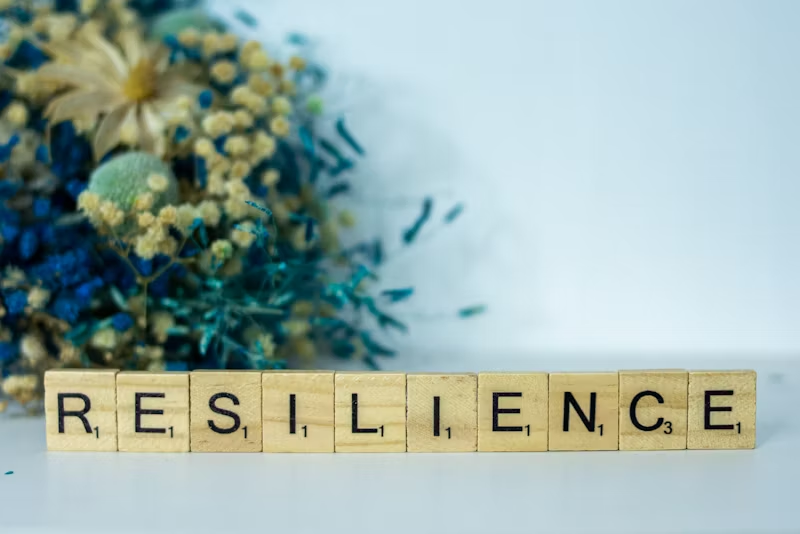
Image of the word resilience in wooden blocks.
When federal policies shift like tectonic plates, the tremors are felt most acutely in city halls, county offices, and state agencies where public servants face the daily reality of implementing change while serving their communities. As an executive coach working with public sector leaders, I’ve witnessed firsthand how these policy upheavals create both profound challenges and unexpected opportunities for advancing gender equity at the local level.
The Human Side of Policy Implementation
The abstract language of federal mandates becomes intensely personal when a county health director must decide how to maintain reproductive health services despite funding cuts, or when a school superintendent navigates new regulations affecting transgender students while protecting their wellbeing. These leaders aren’t just implementing policy—they’re making moral choices that ripple through families and communities.
In my coaching practice, I’ve observed that the most effective local leaders during times of federal uncertainty share several key characteristics. They develop what I call “adaptive equity intelligence”—the ability to read the political landscape while remaining anchored in their values. They build coalitions across traditional boundaries, ending unlikely allies in pursuit of shared goals. Most importantly, they cultivate resilience not just for themselves, but for their teams and the communities they serve.
Strategies for Equity-Centered Leadership
Local government leaders are increasingly employing innovative approaches to maintain gender equity progress despite federal headwinds. Some are leveraging existing statutory authority in creative ways—like using general welfare provisions to fund childcare programs when federal dollars disappear. Others are building what I term “equity insurance” by diversifying funding sources and creating redundant systems of support.
The most successful leaders I work with understand that gender equity isn’t a separate initiative to be managed alongside “real” governance—it’s a lens through which decisions must be evaluated. This aligns with research showing that public policies may have a major impact on gender equality and attaining equal access to opportunities, resources, and rights for women, men, and other gender identities. They ask different questions: How does this budget cut affect single mothers differently than married couples? What barriers might transgender residents face in accessing this service? How can we ensure that immigrant women feel safe engaging with our programs?
The Coaching Imperative
Perhaps most critically, these leaders recognize that sustaining gender equity work requires intentional leadership development. They invest in coaching and professional development for themselves and their teams, understanding that the emotional labor of this work can lead to burnout without proper support systems.
The leaders who thrive in this environment have learned to hold complexity—to acknowledge the genuine constraints, they face while refusing to accept inequity as inevitable. They view federal policy shifts not as insurmountable obstacles but as problems to be solved creatively, often in partnership with community organizations, nonprofits, and advocacy groups.
Looking Forward
As we navigate continued federal uncertainty, local governments need leaders who can operate with both pragmatic realism and unwavering commitment to equity. This requires new models of leadership development that prepare public servants not just to manage programs, but to advance justice in environments that may not always support that work. Research on local governance demonstrates that “the implementation of gender equality commitments at the local level requires a concerted effort by national and local governments, civil society, development partners and donor agencies.”
The question isn’t whether federal policy will continue to shift—it will. The question is whether we’re developing the kind of adaptive, equity-centered leaders who can turn those shifts into opportunities for progress rather than excuses for retreat. In my experience, when we invest in developing these leaders, communities don’t just survive policy upheavals—they emerge stronger and more equitable than before.
Dora Mendez, MPA (she/ella) is a Fractional Chief Human Resources Officer specializing in leadership development coaching. Learn more at www.coachdoramendez.com
References:
UN Women. “Local Governance.” Financing For Gender Equality.
https://gender-inancing.unwomen.org/en/areas-of-work/local-governance
SpringerLink. “Public Policies on Gender Equality.” In Public Policy and Gender Equality, 2022. https://link.springer.com/chapter/10.1007/978-3-031-14360-1_12
About the author:
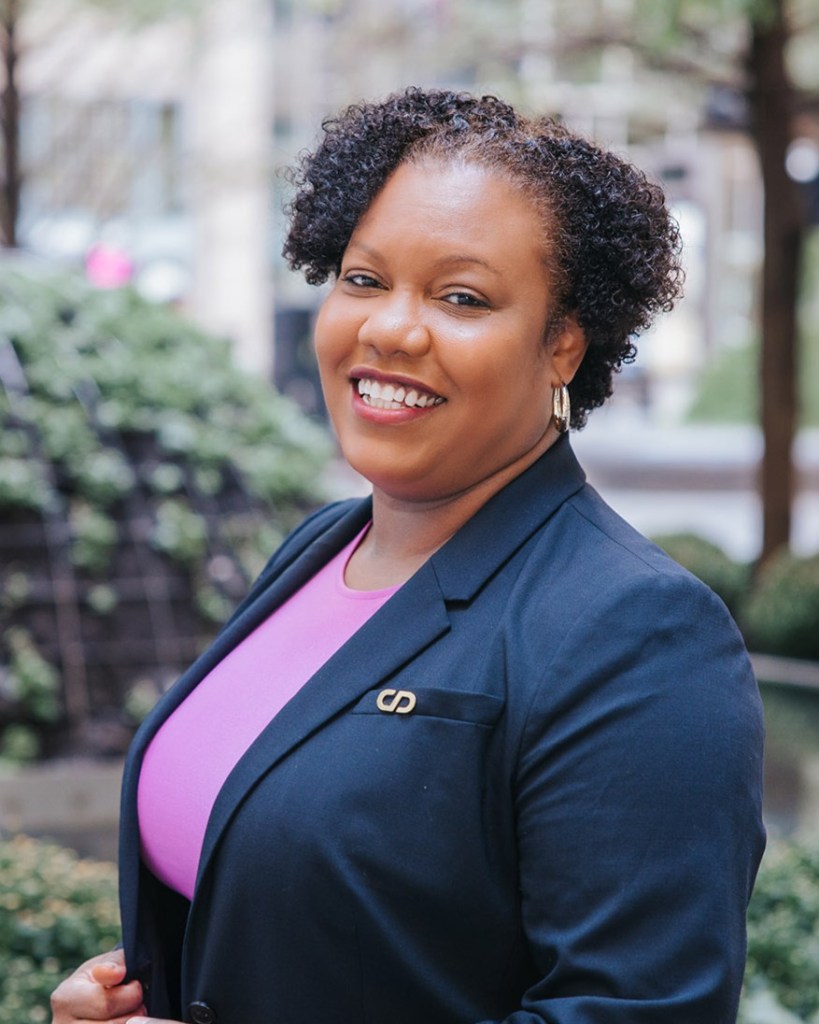
Dora Mendez, MPA (she/her/ella), is the Founder and CEO of Coach Dora LLC and a distinguished C-Suite Executive with over 12 years of experience in human resources. She is a passionate advocate for diversity, equity, and inclusion (DEI),a beacon of bold authenticity using her writing and public speaking to ignite meaningful conversations. Through her coaching and consulting services, she strives to create a world where individuals feel empowered to lead with both courage and compassion.
Her leadership experience includes serving as a Fractional Chief Human Resources Oficer (CHRO), Vice President of HR & Chief DEI Oficer, and Director of HR and People & Culture roles in mission-driven nonproit organizations. Prior to these roles, she worked in public service, investigating hundreds of discrimination complaints.
Mendez earned her Master’s in Public Administration (MPA) from the City University of New York-John Jay College of Criminal Justice. Since graduating, she has dedicated over 14 years to teaching at John Jay as an Adjunct Professor. She is also a contributing author to Latinas Rising Up in HR Vol. 3 – Executive Edition (2024) and co-author of Extraordinary Latinas Vol. IV (2025).
CONTACT INFORMATION
Speaker Reel
Media/Press Kit